
Movie marathons have always been a favorite way to relax, but they can do much more than entertain. Over time, many language learners notice they understand conversations better, pick up new phrases, and even imitate accents naturally. This often leads to one question: does watching movies improve language skills? The answer is yes.
Movies expose learners to authentic speech, cultural context, and real-life communication patterns that traditional learning methods often struggle to replicate.
Key Takeaways
- Watching movies strengthens listening comprehension through exposure to natural conversations.
- Films help expand vocabulary, idioms, and everyday expressions in context.
- Regular viewing improves pronunciation, rhythm, and speech patterns.
- Subtitles can accelerate language learning when used strategically.
- Movies work best when combined with active practice and repetition.
How Movies Train Your Brain
Understanding why movies help language learning makes it easier to use them effectively.
Learning Through Visual Context
Movies combine spoken language with facial expressions, actions, and settings. This visual support helps learners understand unfamiliar words without constantly relying on translations.
The brain processes images and sounds together, creating stronger memory connections. As a result, new vocabulary becomes easier to remember and use later.
Emotional Stories Improve Memory
People naturally remember information connected to emotions. A funny scene, dramatic moment, or inspiring dialogue often stays in memory longer than textbook examples.
This emotional engagement helps language learners retain words, phrases, and expressions more effectively.
Natural Repetition Builds Familiarity
Common words and sentence structures appear repeatedly throughout films. Repeated exposure allows learners to recognize language patterns and understand them more naturally over time.
Does Watching Movies Improve Language Skills?
Research and real-world experience consistently show positive results. However, movies improve some language skills more than others.

Better Listening Comprehension
Listening is often the first skill to improve. Movies expose learners to different accents, speaking speeds, and communication styles.
Unlike classroom recordings, film dialogue reflects how people actually speak in real life. This helps learners become more comfortable understanding natural conversations.
Stronger Vocabulary Development
Movies introduce practical vocabulary that appears in everyday situations. Learners encounter words in context, making them easier to understand and remember. Exposure to idioms, phrasal verbs, and slang also helps learners sound more natural during conversations.
Improved Pronunciation And Intonation
Listening to native speakers helps learners develop a better understanding of rhythm, stress, and pronunciation. Even without speaking aloud, regular exposure trains the ear to recognize correct pronunciation patterns and natural speech flow.
Authentic Language In Action
One of the biggest advantages of movies is their ability to showcase real-world communication.
Everyday Conversations
Textbooks often focus on formal language structures. Movies reveal how people actually communicate with friends, family members, coworkers, and strangers. This exposure helps learners understand contractions, casual phrases, and conversational shortcuts.
Cultural Nuances Matter
Language is closely connected to culture. Movies provide insights into humor, traditions, social expectations, and communication styles. Understanding these cultural elements improves overall language comprehension and prevents misunderstandings.
Real Situations Create Relevance
From ordering food to attending job interviews, movies present situations learners may encounter themselves. This practical exposure makes language learning more useful and relatable.
Smart Subtitle Strategies
Subtitles can be powerful learning tools when used correctly.
Native Language Subtitles
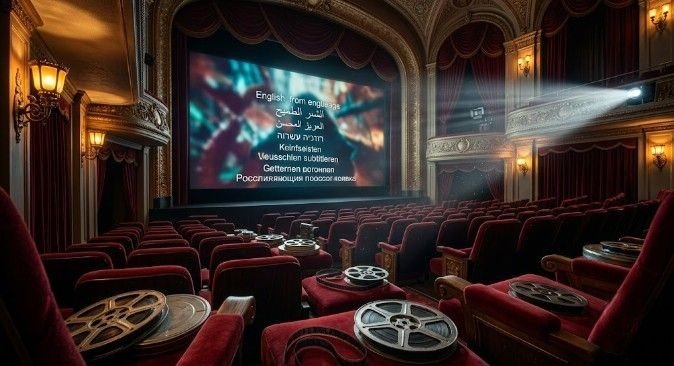
Beginners often benefit from subtitles in their first language because they can follow the story without feeling overwhelmed. However, relying on them too heavily may reduce active listening practice.
Target Language Subtitles
Intermediate learners often gain the greatest benefits from subtitles in the language they are studying. Reading and hearing words simultaneously strengthens vocabulary recognition, spelling awareness, and pronunciation understanding.
Watching Without Subtitles
Advanced learners can challenge themselves by turning subtitles off completely. This encourages deeper listening and helps prepare for real-world conversations where subtitles are unavailable.
Does Watching Movies Actually Improve Language Effectively?
Many learners ask whether simply pressing play is enough. The reality is that success depends on how movies are used.
Start by choosing content that matches your current language level. Familiar stories often work best because they allow greater focus on language instead of plot comprehension.
Next, pay attention to useful expressions and repeated vocabulary. Pause occasionally and repeat interesting phrases aloud to strengthen pronunciation and speaking with confidence.
Finally, revisit important scenes. Watching key moments multiple times reinforces vocabulary, improves listening accuracy, and increases overall retention. This simple process turns entertainment into a practical language-learning strategy.
Choosing The Right Movies
Not every movie offers the same learning experience.
Sitcoms For Everyday Vocabulary
Sitcoms feature casual conversations, common expressions, and relatable situations. They are excellent for learners seeking practical communication skills.
Dramas For Advanced Expression
Dramas often include emotional dialogue and more complex sentence structures. These films help expand vocabulary and improve comprehension.
Documentaries For Professional Language
Documentaries introduce topic-specific vocabulary and clear narration. They are particularly useful for academic, business, and professional language development.
Common Viewing Mistakes
Many learners watch movies regularly but fail to maximize their benefits.
Passive Watching
Treating movies solely as entertainment limits learning opportunities. Active listening produces much stronger results.
Content That Is Too Difficult
Choosing movies that build culture and are above your proficiency level can lead to frustration and reduced motivation. Selecting appropriate content creates a more enjoyable and productive learning experience.
Ignoring Speaking Practice
Movies improve listening and comprehension, but learners should also practice speaking. Repeating dialogue and shadowing characters helps bridge this gap.
Frequently Asked Questions
1. What Is The 2.5 Rule For Movies?
The 2.5 rule encourages watching the same movie multiple times using different subtitle settings. This approach improves comprehension, vocabulary retention, and listening skills while gradually reducing dependence on subtitles.
2. What Is The 15/30/15 Method?
The 15/30/15 method involves watching 15 minutes of content, spending 30 minutes reviewing vocabulary and expressions, then rewatching the same section for reinforcement and better retention.
3. What Is The 3 Hardest Language?
Mandarin Chinese, Arabic, and Japanese are commonly considered among the most difficult languages due to unique writing systems, grammar structures, and pronunciation challenges for many learners.
4. Can I Improve My English By Watching Movies?
Yes, movies can significantly improve English listening skills, vocabulary, pronunciation, and conversational understanding. Combining movie watching with speaking practice and active learning produces the best results.
Lights, Camera, Language Success
So, does watching movies improve language skills? Absolutely. Movies provide authentic listening practice, real-world vocabulary, natural pronunciation examples, and valuable cultural insights. They transform language learning from a routine study task into an engaging experience.
While films alone will not create fluency, they can dramatically accelerate progress when paired with active practice, repetition, and consistent exposure. The next movie you watch could become one of the most effective language lessons you ever have.