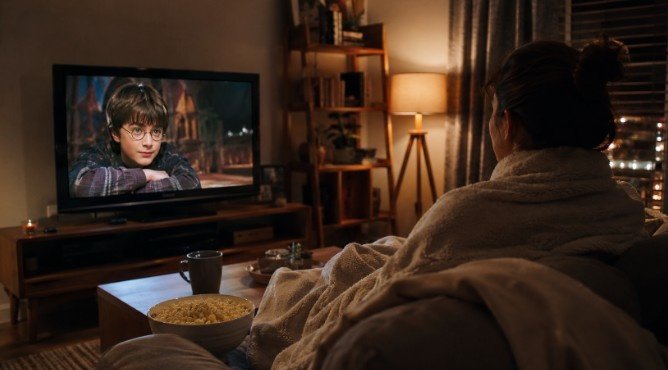
Some nights, I skip the plot twist. I want the movie I know, the joke I can quote, and the ending that feels like a soft landing. That is the psychology of people who rewatch movies: familiar stories become comfort, self-care, and emotional regulation in disguise.
Key Takeaways
- Rewatching calms the brain because familiar plots reduce effort.
- Comfort movies support stress relief, nostalgia, and safety.
- Repeat viewing is healthy when it does not replace life.
- Empaths and ADHD brains may enjoy predictable stories differently.
- It can be a smart emotional reset.
Why This Topic Matters
The psychology of people who rewatch movies matters because nobody should feel odd for choosing the same film again. It is not “boring behavior.” It is your brain ordering its favorite emotional snack, skipping the risky mystery menu, and saying, “Something safe today.”
Rewatching movies is strategic self-care and emotional regulation, not a lack of imagination. Familiar media can reduce stress, ease decision fatigue, trigger nostalgia, and restore control.
Why Your Brain Craves Familiar Stories
A familiar film gives your mind a break.
Reduced Cognitive Load
After a draining day, starting a new movie asks your brain to learn characters, settings, conflicts, and plot twists. That can feel like work, even when the movie is fun.
Rewatching a film as part of pop culture lifestyle you know removes that pressure. Since your brain does not have to guess what happens next, it uses less energy and relaxes faster.
Emotional Safety
A predictable narrative gives your brain a sense of control. You can feel tension, tears, laughter, or romance while knowing where the emotional journey will end. That is why comfort movies feel safe. Life may be messy, but your favorite film resolves the same way every time.
The Mere Exposure Effect
The mere exposure effect suggests repeated exposure can increase liking. Your brain enjoys recognizing patterns, faces, music, and dialogue because familiarity feels rewarding. Those scenes may spark pleasure and anticipation. You know the line is coming, and somehow it still feels good.
What Rewatching Says About You
Repeat viewing can reveal what your mind seeks under pressure.

You Like Comfort With Control
People who rewatch movies often enjoy entertainment that feels reliable. They are not avoiding creativity; they are choosing a known mood. A favorite movie can act like a mental palate cleanser. It clears noise, lowers decision fatigue, and offers a safe rhythm.
You May Be Deeply Nostalgic
Nostalgia is a major reason people return to old films. A childhood animation, holiday classic, teen comedy, or family favorite can bring back a season of life. This does not mean you are stuck in the past. It may mean you value memory, identity, and emotional continuity.
You Notice More Each Time
The first watch is about the plot. The second watch is about details. Later viewings reveal music cues, expressions, jokes, themes, and hidden meanings.
Rewatchers often enjoy depth over novelty. They are not asking, “What is new?” They are asking, “What else can this story show me?”
Comfort Movies And Mental Health
Familiar films can support mental wellness.
Emotional Regulation
Comfort movies can shift you from stress into calm. A funny film may lift your mood, while a sad one may help you cry without feeling alone.
This is emotional regulation. You are using a safe, familiar story to process feelings without being overwhelmed.
Decision Fatigue Relief
Modern streaming gives us endless choices, but too many choices can exhaust the brain. After a long day, picking something new may feel like another chore.
Rewatching solves that problem. No searching, no disappointment, no emotional gamble. You know what the movie gives you.
Healthy Habit Or Avoidance
Rewatching is healthy when it restores you and helps you return to life. It becomes less helpful when it replaces sleep, relationships, responsibilities, or hard conversations.
Ask yourself one honest question: is this movie helping me recover, or helping me disappear? The answer tells you a lot.
Use Psychology Of People Who Rewatch Movies
The psychology of people who rewatch movies becomes useful when you turn the habit into intentional self-care.
Match The Movie To Your Mood
Start by naming what you need. Choose comedy for lightness, fantasy for escape, romance for warmth, animation for safety, or drama for release.
This turns repeat viewing into a self-care plan. You are not just pressing play. You are choosing a movie that meets a real emotional need.
Create A Cozy Limit
Before watching, give the habit a gentle boundary. Maybe it is one movie before bed, one comfort scene during a break, or one weekend ritual.
A limit keeps comfort from becoming avoidance. It lets the film support your nervous system without stealing sleep, focus, or connection.
Reflect After Watching
After the movie, ask, “What did I need from that today?” Maybe you needed control, laughter, nostalgia, tears, or a familiar voice nearby. That answer is valuable. Your comfort movies can become clues about what your mind and heart are trying to regulate.
Empaths, ADHD, And Trauma
Different brains return to familiar media for different reasons.

Empaths And Sensitive Viewers
Empaths may find new movies intense because they absorb conflict, sadness, embarrassment, or fear strongly. A familiar film lowers that risk.
Knowing the ending helps sensitive viewers prepare. They can enjoy the feeling without being surprised by emotional overload.
ADHD And Repeat Viewing
Some people with ADHD enjoy rewatching movies because familiar stories provide stimulation without heavy focus demands. The brain gets interest, rhythm, and reward without constant tracking.
A known film can work as background comfort during chores, transitions, or rest. For some ADHD brains, repetition feels regulating, not boring.
Trauma And Predictability
Rewatching shows or movies can sometimes connect to trauma, especially when predictability feels safer than surprise. A familiar story gives the nervous system a script it can trust.
Still, repeat viewing alone does not prove trauma. It becomes a concern only when it is the main way someone avoids feelings, people, or daily life.
Frequently Asked Questions
1. What Is The Psychology Behind Rewatching Movies?
The psychology of people who rewatch movies is about comfort, predictability, nostalgia, and emotional regulation. Familiar films reduce mental effort and help the brain feel safe.
2. Is It Hard For Empaths To Watch Movies?
Yes, it can be hard for empaths to watch intense movies because they may absorb emotions strongly. Familiar films feel safer because the ending is known.
3. Do People With ADHD Watch The Same Movies Over And Over?
Some people with ADHD do rewatch the same movies because familiar stories offer stimulation without too much mental effort. Repetition can feel soothing and easy.
4. Is Rewatching Shows A Trauma Response?
It can be a trauma response for some people, but not always. Familiar shows may create safety, control, and calm during emotional stress.
The Popcorn Therapy Takeaway
The psychology of people who rewatch movies shows repeat viewing is not strange, lazy, or unimaginative. It can be comfort, emotional regulation, decision fatigue relief, nostalgia, and self-care wrapped in one familiar story. Enjoy your favorite film without guilt, but stay honest. The best comfort movies help you return to life feeling softer, steadier, and more like you.