
A few decades ago, entertainment was something people planned for. Families gathered around the television at a specific time, movie nights required a trip to the theater, and music came from a carefully selected collection of records or CDs. Today, entertainment is woven into nearly every part of daily life. It fills commutes, lunch breaks, workouts, and quiet evenings at home.
That shift has changed how people relax, learn, connect, and even understand the world around them. The role of entertainment in daily life extends far beyond passing the time. It has become a source of emotional support, social connection, cultural awareness, and personal inspiration. At the same time, the endless availability of digital content has introduced new challenges that require thoughtful balance.
Entertainment Has Become Part of Everyday Routines

Entertainment no longer exists only in dedicated leisure hours. It often accompanies daily activities.
People listen to podcasts while driving, stream music during workouts, and watch short videos while waiting in line. Streaming services, social media platforms, gaming communities, and digital creators have transformed entertainment into an on-demand experience that fits almost any schedule.
This accessibility explains why entertainment in everyday life feels more integrated than ever before. Instead of serving as an occasional escape, it has become a consistent companion throughout the day.
For many people, even a brief entertainment break can help reset focus and improve mood before returning to work or personal responsibilities.
The Connection Between Entertainment and Well-Being
One of the most important benefits of entertainment is its impact on mental wellness.
Modern life places constant demands on attention. Deadlines, responsibilities, and information overload can create stress that accumulates throughout the week. Entertainment provides an opportunity to step away from those pressures, even temporarily.
A Mental Reset During Busy Days
Watching a favorite sitcom after work or listening to music during a stressful afternoon can help the mind shift gears. These moments may seem small, but they often play a meaningful role in reducing mental fatigue.
Research in psychology and behavioral health frequently highlights the value of leisure activities in supporting emotional well-being. Entertainment offers a healthy outlet that allows people to recharge and return to their responsibilities with renewed energy.
Emotional Comfort and Familiarity
People often revisit favorite movies, television series, or songs during difficult periods of life. Familiar entertainment creates a sense of comfort and predictability, which can be reassuring during uncertain times.
This emotional connection helps explain why certain forms of media remain popular for years and continue to hold personal significance long after their release.
Shared Entertainment Creates Stronger Connections

Entertainment is often viewed as a personal activity, but many experiences are surprisingly social.
Conversations about a popular television series, reactions to a major sporting event, or recommendations for a new podcast create opportunities for interaction. Shared interests frequently become the foundation for friendships, workplace conversations, and online communities.
Building Communities Around Common Interests
Digital platforms have expanded these connections beyond geographic boundaries. Fans can discuss movies, games, books, and music with people from different backgrounds who share similar interests.
These communities contribute to audience engagement and help individuals feel connected to larger cultural conversations.
The growing influence of streaming culture has accelerated this trend. Popular shows and digital content often become shared experiences that generate discussions across social media, workplaces, and friend groups within hours of release.
Entertainment Can Be a Powerful Learning Tool
While many people associate entertainment with relaxation, it also plays an important educational role.
Documentaries, historical dramas, podcasts, and narrative films often introduce audiences to topics they might not otherwise explore. Complex subjects become more approachable when presented through engaging storytelling.
For example, a documentary about climate science may encourage viewers to learn more about environmental issues. A film based on historical events can spark curiosity about a particular period or culture.
Exposure to New Perspectives
Entertainment regularly introduces people to experiences different from their own. Stories set in unfamiliar places or centered on different communities help broaden understanding and encourage empathy.
This exposure supports social awareness while making learning feel natural rather than instructional.
As digital communication continues to evolve, entertainment increasingly serves as a bridge between information and engagement.
Creativity Often Begins With Entertainment
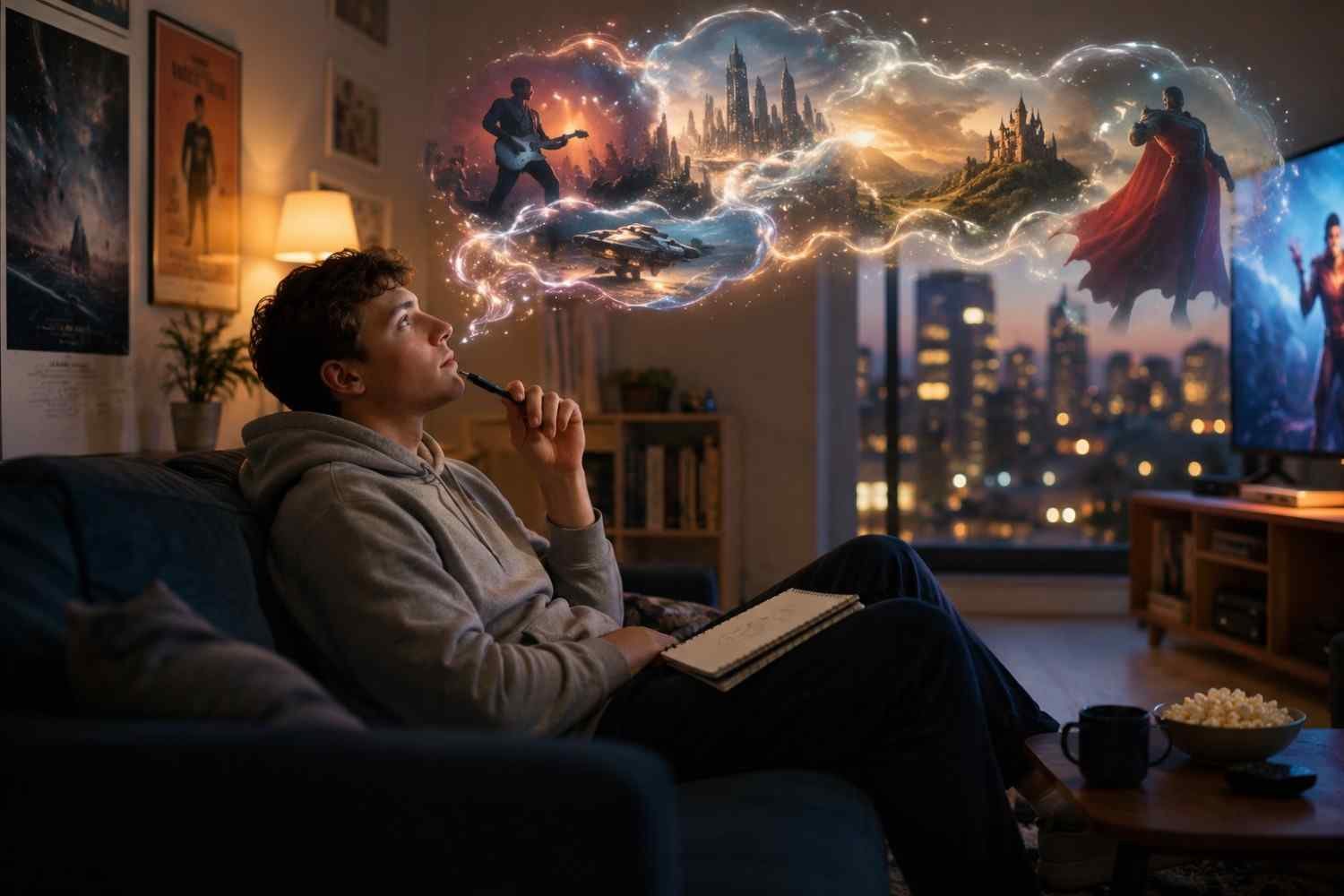
Many creative pursuits start with inspiration from entertainment.
A musician may be influenced by a favorite artist. A writer might discover a passion for storytelling through books or films. Designers, photographers, and content creators frequently draw ideas from the media they consume.
Entertainment fuels imagination by presenting new concepts, artistic styles, and ways of thinking. It encourages curiosity and experimentation, which are essential elements of personal growth.
This connection has become especially visible within the creator economy, where individuals transform interests in entertainment into careers involving content creation, media production, and digital storytelling.
When Entertainment Becomes Too Much
Despite its many benefits, entertainment is not automatically positive in every situation.
The convenience of digital entertainment creates an environment where content is always available. Streaming platforms automatically play the next episode, social media feeds refresh endlessly, and mobile devices make entertainment accessible around the clock.
Without boundaries, entertainment can shift from relaxation to distraction.
Common signs of unhealthy consumption include:
- Excessive screen time that interferes with sleep
- Constant scrolling without genuine enjoyment
- Reduced productivity or focus
- Increased feelings of anxiety or mental fatigue
The solution is not avoiding entertainment. Instead, it involves using it intentionally and selecting content that adds value rather than simply filling time.
A balanced approach allows people to enjoy the benefits of modern entertainment without becoming overwhelmed by it.
FAQs: Understanding the Role of Entertainment in Daily Life Today
1. Why is entertainment important in daily life?
Entertainment helps people relax, manage stress, improve emotional well-being, and maintain a healthy balance between responsibilities and leisure.
2. Can entertainment improve mental health?
While it is not a substitute for professional support, entertainment can reduce stress, improve mood, and provide emotional comfort during challenging periods.
3. How does entertainment help people connect socially?
Shared entertainment experiences create conversations, strengthen relationships, and foster communities built around common interests.
4. What are the risks of excessive entertainment consumption?
Overconsumption can contribute to screen fatigue, reduced productivity, disrupted sleep patterns, and increased anxiety when used without balance.
Why Entertainment Continues to Evolve With Us
Entertainment has always reflected the way people live, communicate, and understand the world around them. As technology changes, the formats may evolve, but the core purpose remains remarkably consistent. People seek stories, music, games, and experiences that help them relax, connect with others, learn something new, or simply feel understood. The role of entertainment in daily life continues to grow because it fulfills needs that are deeply human rather than purely recreational.
The platforms may change, but the desire to connect, escape, and be inspired never really does.