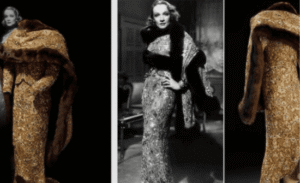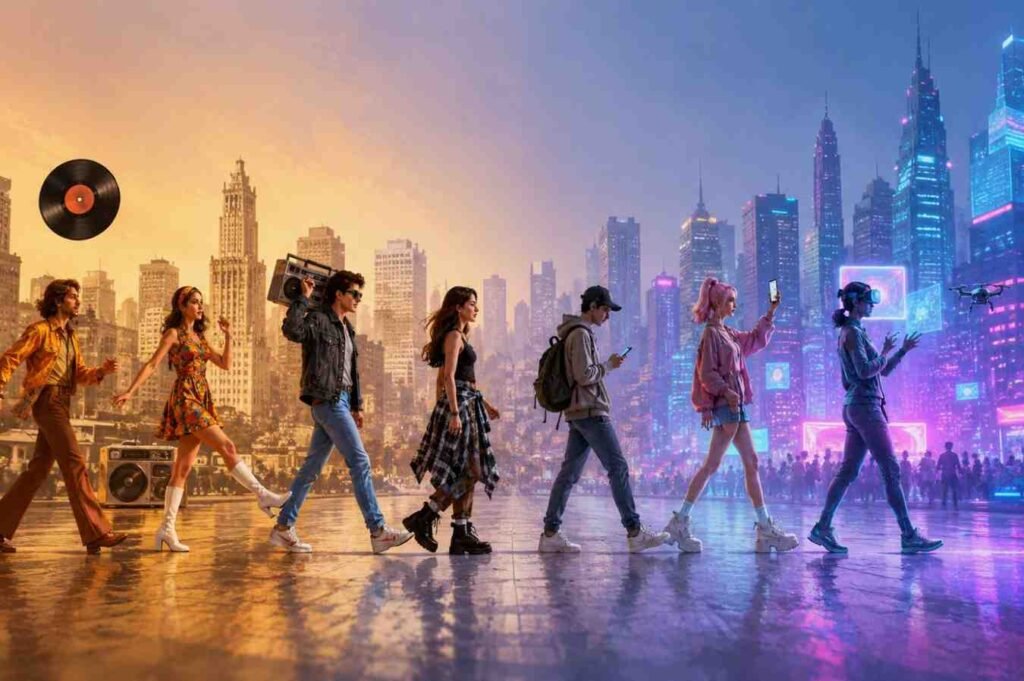
Think about the trends that defined your teenage years. Maybe it was a certain music genre, a fashion trend, a social media platform, or even the slang everyone seemed to use. Fast forward a decade, and many of those cultural markers either feel outdated or have been completely reinvented. That’s the fascinating thing about the pop culture lifestyle—it never stays still for long.
What makes this constant evolution even more interesting is that every generation believes its version of culture is unique. In many ways, they’re right. While some themes repeat over time, the influences shaping young people today are very different from those that shaped previous generations. Technology, economic realities, social values, and the need for self-expression all play a role in pushing culture forward.
What We Really Mean by Pop Culture Lifestyle?
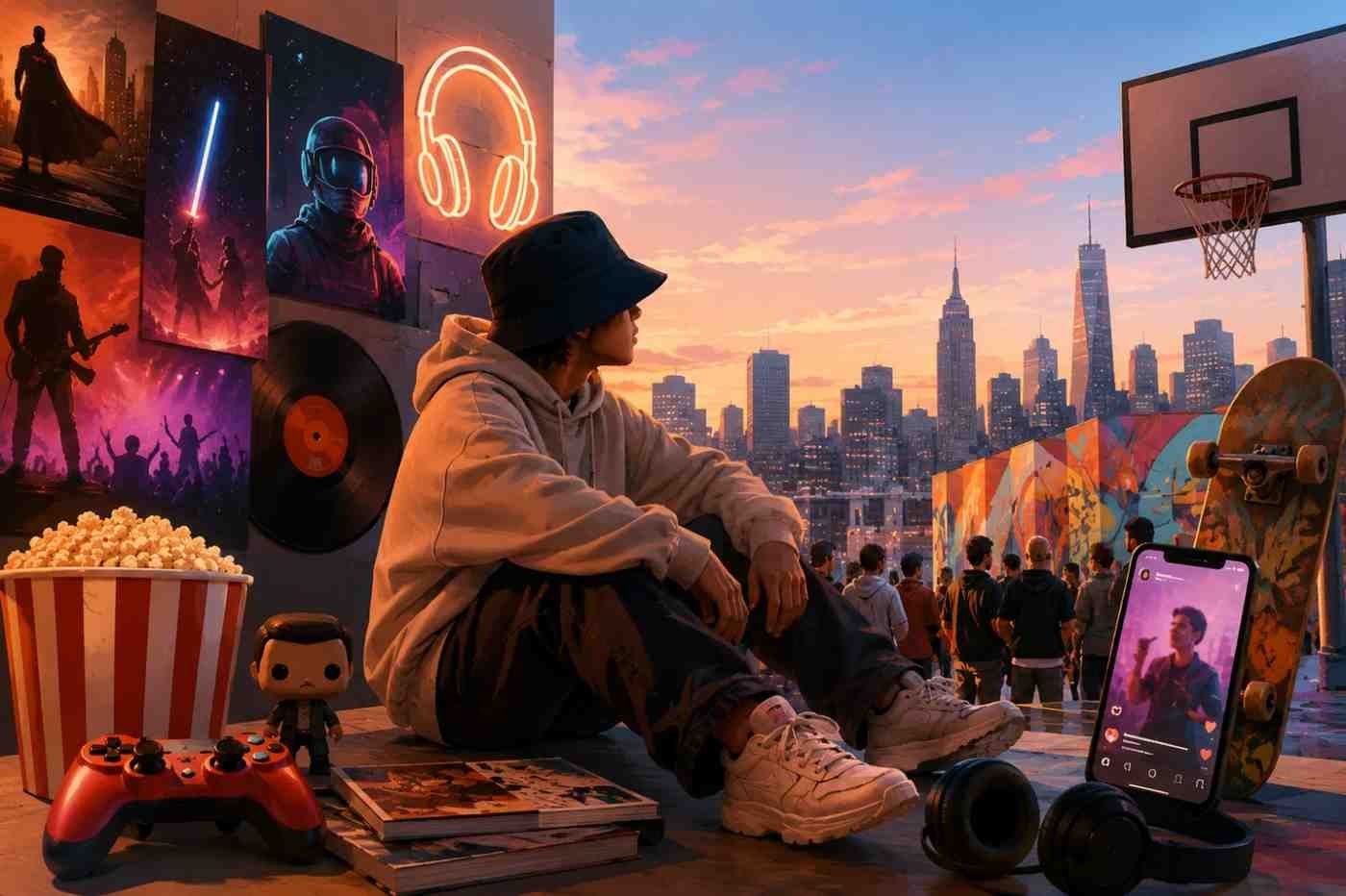
The term pop culture lifestyle goes beyond entertainment. It includes the music people stream, the fashion they wear, the content they consume, the language they use, and even the products they buy.
It’s a reflection of everyday life shaped by cultural trends. From audience engagement on social platforms to changing consumer behavior, pop culture influences how people communicate, socialize, and express their identities.
Unlike traditional cultural movements that developed over decades, modern lifestyle trends can emerge, peak, and disappear within months. Yet the purpose remains the same: helping people connect with others and define who they are.
Every Generation Grows Up in a Different Cultural Environment
No generation experiences the world in exactly the same way. The social, economic, and technological conditions of a particular era leave a lasting impression on the people growing up during that time.
The Influence of Shared Experiences
Baby Boomers came of age during a period marked by post-war optimism, growing prosperity, and significant social movements. Their cultural landscape included rock ‘n’ roll, political activism, and the rise of television.
Generation X experienced economic uncertainty, corporate skepticism, and rapid social changes. Those influences helped popularize grunge music, ironic humor, and a more independent mindset.
Today’s younger generations are navigating climate concerns, pandemic aftereffects, digital communication overload, and an increasingly connected world. As a result, their lifestyle choices often emphasize authenticity, mental well-being, and community-driven experiences.
Why Values Change Over Time
Every generation inherits a world shaped by those who came before them. At the same time, they naturally challenge existing norms and expectations.
This process helps explain why cultural values constantly shift. What feels relevant to one generation may feel outdated to the next. As priorities change, so do the trends, media preferences, and lifestyle habits associated with them.
Generational Rebellion Is Part of the Process
One of the strongest forces behind cultural change is the desire to stand apart from previous generations.
Young people have always used cultural trends to create their own identity. Music, fashion, language, and entertainment become tools for self-expression and differentiation.
A common pattern emerges throughout history. Once a trend becomes widely accepted by older generations, younger audiences often move on to something new. What begins as a fringe movement or counterculture eventually enters the mainstream, creating space for the next wave of cultural innovation.
Language provides one of the clearest examples. From valley-speak in the 1980s to today’s viral phrases and audio trends, slang often functions as an in-group language that reflects a generation’s unique experiences and digital culture.
Technology Has Accelerated Cultural Change
Technology doesn’t just influence culture—it determines how quickly culture spreads.
From Broadcast Media to Streaming Platforms
In earlier decades, entertainment was largely controlled by a handful of television networks, radio stations, and magazines. Since most people consumed the same content, cultural trends moved at a slower pace and often felt more unified.
Today, streaming platforms and digital media have transformed how people discover entertainment. Instead of a few dominant voices shaping culture, thousands of creators contribute to a constantly evolving landscape.
The Social Media Effect
Social media has dramatically shortened trend cycles.
Platforms built around short-form content can turn an unknown creator, fashion trend, or song into a global phenomenon overnight. At the same time, audiences move on quickly, creating an environment where trends evolve faster than ever before.
The result is a cultural ecosystem driven by constant innovation, participation, and interaction.
The Rise of Co-Creation and the Creator Economy
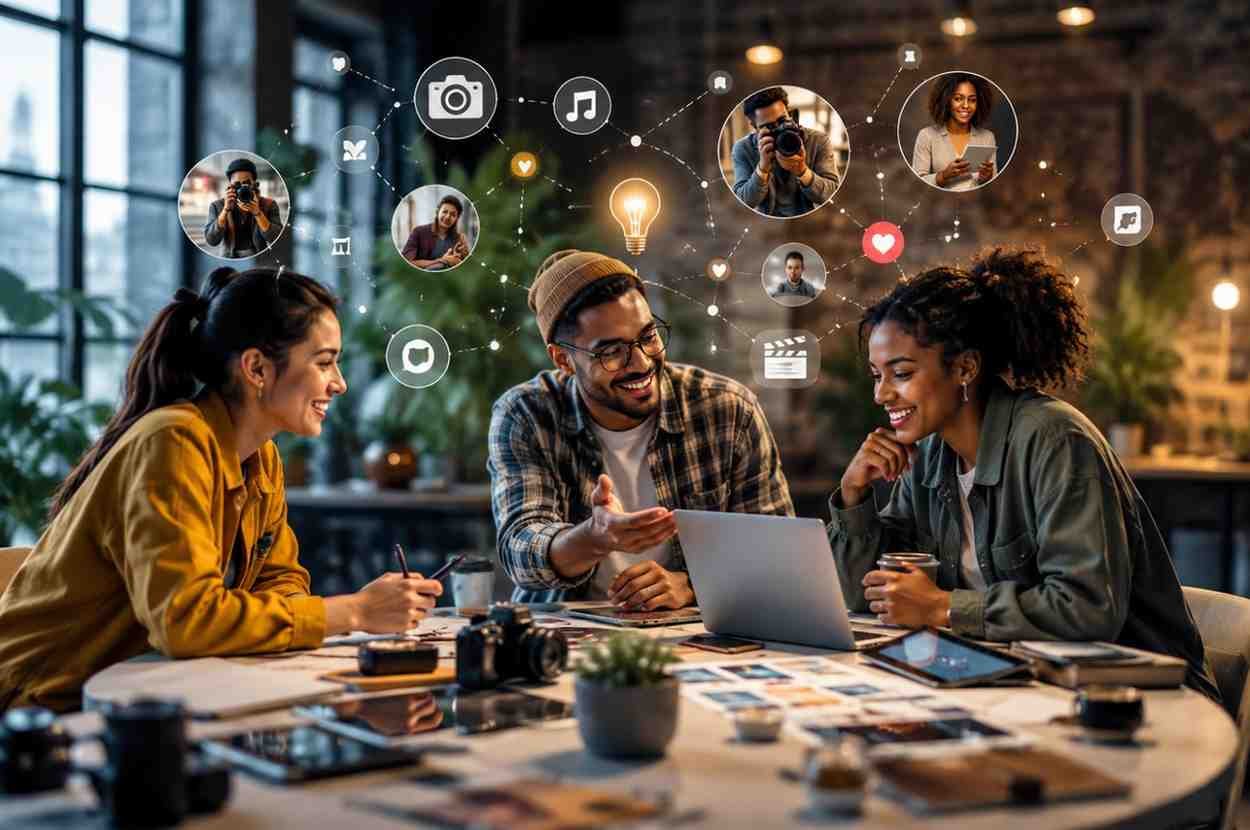
Previous generations primarily consumed entertainment. Today’s audiences actively shape it.
The creator economy has given individuals the ability to influence fashion trends, launch online communities, and build audiences without relying on traditional gatekeepers.
This shift has blurred the line between creators and consumers. A viral video, a trending sound, or a niche online community can influence mainstream culture within days.
People are no longer waiting for cultural trends to be delivered to them. They’re helping create them.
Economic and Social Pressures Shape Cultural Trends
Pop culture often reflects deeper concerns that exist beneath the surface.
Economic uncertainty, social movements, public health events, and changing workplace expectations all influence lifestyle choices. What appears to be a simple trend often represents a broader response to societal conditions.
Some examples include:
- Comfort-first fashion is gaining popularity during periods of uncertainty and remote work.
- Increased interest in wellness, self-care, and mental health conversations.
- Growing demand for authenticity instead of highly curated online personas.
- Greater participation in niche online communities built around shared interests.
These shifts demonstrate how cultural trends often function as adaptations to changing realities.
Why Nostalgia Keeps Returning?
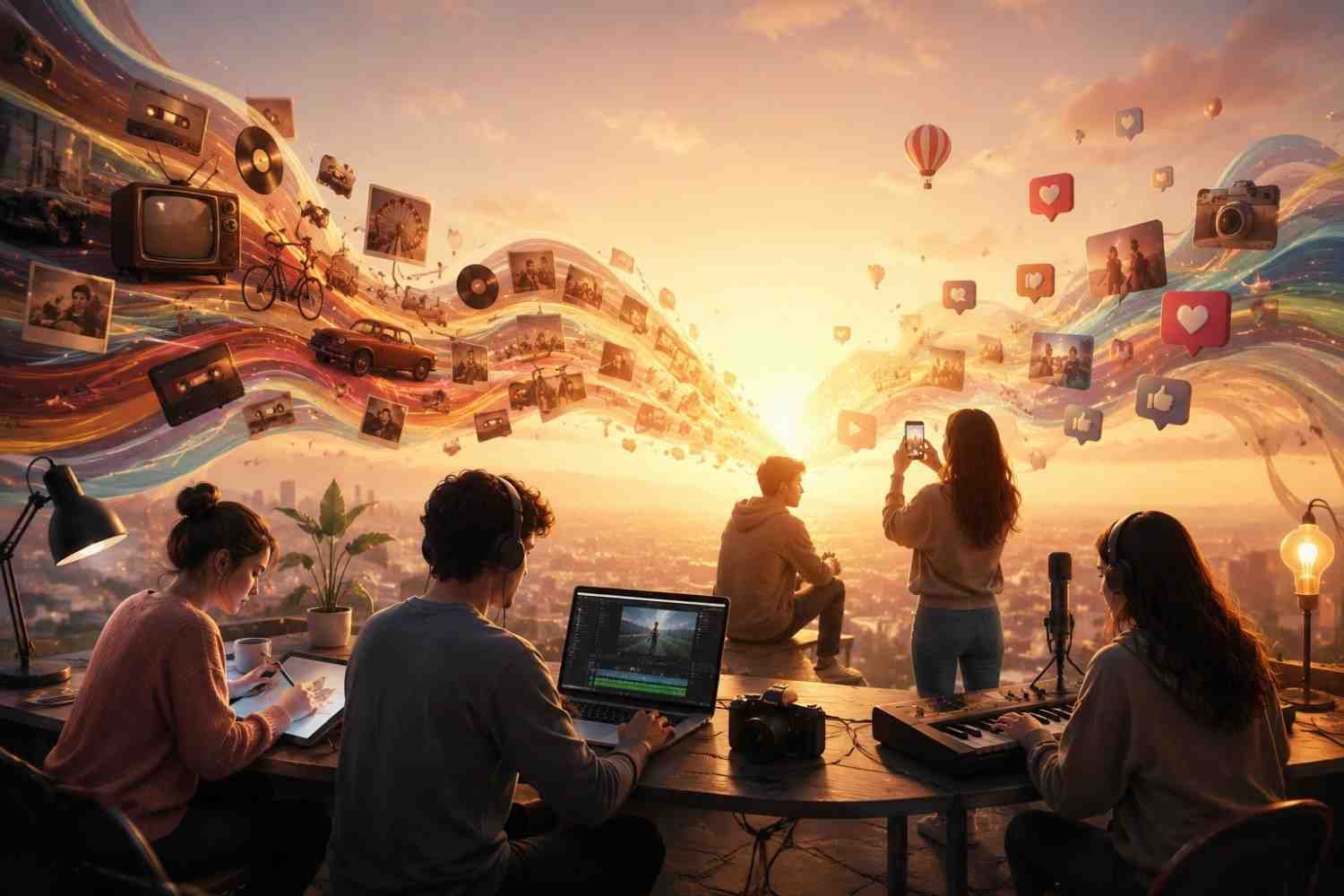
One of the most fascinating aspects of the pop culture lifestyle is its tendency to revisit the past.
Cultural trends frequently operate on a 20-to-30-year cycle. As people enter adulthood and face new responsibilities, they often reconnect with the media, aesthetics, and experiences that shaped their childhood.
However, nostalgia rarely appears as a direct copy.
Modern revivals typically reinterpret older trends through contemporary values. The resurgence of Y2K fashion, for example, incorporates vintage aesthetics while embracing sustainability, inclusivity, and more flexible approaches to self-expression.
Rather than repeating history, each generation reshapes it.
FAQs: Why the Pop Culture Lifestyle Keeps Evolving With Every Generation
1. What is a pop culture lifestyle?
A pop culture lifestyle refers to the habits, interests, fashion choices, entertainment preferences, and behaviors influenced by current cultural trends and media consumption.
2. Why does pop culture change so quickly?
Pop culture evolves rapidly because technology allows trends to spread faster than ever. Social media, streaming platforms, and online communities constantly introduce new ideas and influences.
3. How does social media affect pop culture?
Social media accelerates trend discovery, encourages audience participation, and gives creators direct access to large audiences, making cultural shifts happen much faster.
4. Do older generations influence modern pop culture?
Yes. Many modern trends draw inspiration from previous decades. Music, fashion, and entertainment often recycle older ideas while adapting them to contemporary values and preferences.
Why Culture Never Stands Still
The evolution of the pop culture lifestyle isn’t random. It’s the result of generations responding to new technologies, changing social realities, and an ongoing desire to define themselves on their own terms. Every era creates its own cultural language, whether through fashion, entertainment, digital communication, or lifestyle choices. While specific trends may come and go, the underlying human need for identity, connection, and self-expression remains remarkably consistent.
That’s why culture keeps changing—and why it probably always will.