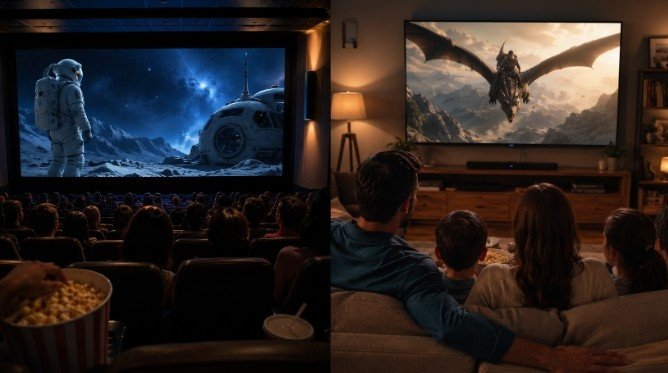
Movie nights look very different today than they did a decade ago. Some weekends are all about grabbing popcorn and heading to the cinema, while others are perfect for relaxing on the couch with a favorite streaming platform. The debate around movie theater vs streaming continues because both options offer unique benefits, and choosing the right one often depends on what kind of viewing experience you want.
Key Takeaways
- Movie theaters deliver unmatched immersion through giant screens and premium sound.
- Streaming provides flexibility, affordability, and instant access to content.
- Different movie genres often work better in different viewing environments.
- Cost varies greatly depending on viewing habits and household size.
- Most viewers benefit from using both options rather than choosing one exclusively.
The Big Difference At A Glance
Both viewing methods serve the same purpose, but they deliver completely different experiences. This difference explains why both options continue to thrive despite competing for the same audience.
Movie theaters focus on immersion. Every detail, from the giant screen to the powerful sound system, is designed to make viewers feel part of the story. The environment minimizes distractions and creates a dedicated movie-watching atmosphere.
Streaming focuses on accessibility. Movies and TV shows are available instantly on multiple devices, allowing viewers to watch wherever and whenever they want without planning around showtimes.
Why Movie Theaters Still Feel Special
Movie theaters remain popular because they offer something difficult to recreate at home.
Giant Screens Create Real Impact
Watching a blockbuster on a massive screen changes how scenes feel. Explosions seem larger, landscapes appear more dramatic, and emotional moments become more powerful.
Many filmmakers specifically design movies for theatrical viewing, making the cinema experience part of the storytelling process.
Premium Audio Makes A Difference
Modern theaters use advanced sound systems such as IMAX and Dolby Cinema that surround audiences with detailed, immersive audio.
Even impressive home setups often struggle to match the scale, depth, and intensity found inside professional theaters.
Shared Reactions Add Excitement
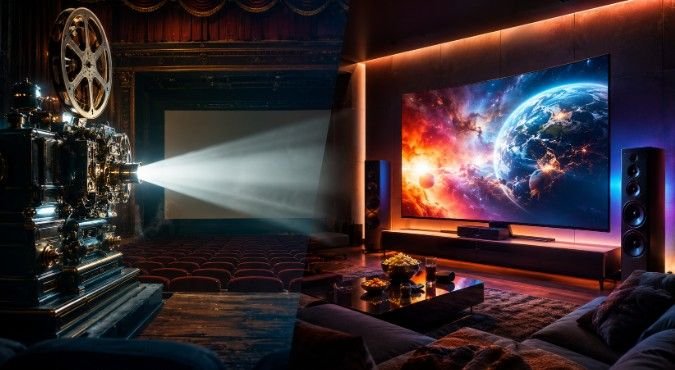
There is something memorable about experiencing a movie with hundreds of other people. Laughter spreads faster, suspense feels stronger, and major plot twists often create unforgettable audience reactions. This communal atmosphere remains one of the biggest advantages theaters hold over home viewing.
The Challenges Of Going To The Movies
Despite their strengths, movie theaters are not perfect for every situation.
Costs Can Add Up Quickly
Movie tickets have become increasingly expensive, especially for families or large groups. Once snacks, drinks, and transportation are included, a single outing can become a significant expense. Frequent moviegoers often spend far more annually than they initially realize.
Fixed Schedules Require Planning
Theaters operate on specific showtimes, which means viewers must organize their day around the movie rather than the other way around. Busy schedules can make spontaneous theater visits difficult.
Audience Distractions Happen
Talking, phone screens, and other audience behaviors occasionally interrupt the experience. While theaters aim to reduce distractions, viewers have little control over the environment. This lack of control can affect enjoyment for some movie lovers.
Why Streaming Continues To Grow
Streaming services have transformed entertainment by making content more accessible than ever before.
Watch Anytime You Want
One of streaming’s biggest advantages is convenience of entertainment experiences from anywhere. Movies can be started, paused, rewound, or finished whenever it suits the viewer. There is no need to travel, wait in line, or work around screening schedules.
More Content For Less Money
A monthly subscription often provides access to thousands of movies, TV shows, documentaries, and exclusive productions.
Compared to buying individual theater tickets regularly, streaming is generally much more cost-effective for frequent viewers.
Personalized Viewing Experience
Streaming platforms allow subtitles, language options, playback controls, and personalized recommendations. These features give viewers more control over how they consume content and discover new favorites.
The Limitations Of Streaming
Although streaming offers convenience, it comes with certain trade-offs.
Blockbusters Take Time To Arrive
Many major films still premiere exclusively in theaters before appearing on digital platforms. Depending on studio strategy, viewers may wait anywhere from 45 to 90 days or longer before new releases become available for streaming.
Home Setups Have Limits
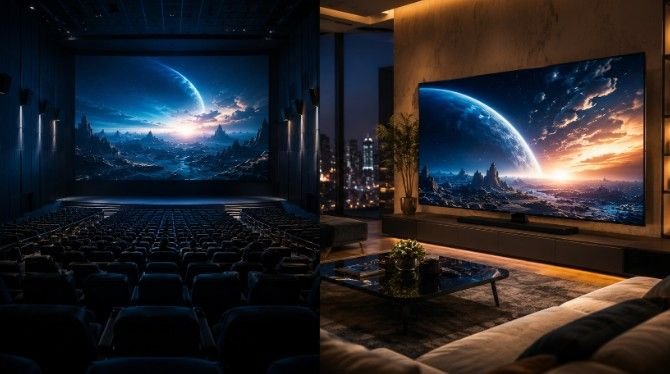
Even large televisions cannot fully replicate the size, perception from watching movies and impact of a commercial movie screen. The same applies to audio quality, where most home systems struggle to match professional cinema technology.
Too Many Choices Can Be Overwhelming
Streaming libraries continue expanding, which sometimes makes selecting content more difficult than actually watching it. Many viewers spend considerable time browsing instead of enjoying a movie.
Cost Breakdown That Surprises Most People
Comparing expenses reveals why the answer is not always straightforward.
Solo Movie Fans
A single theater visit often costs as much as a monthly streaming subscription. For viewers who watch multiple movies every month, streaming typically provides greater value. However, occasional moviegoers may feel the premium experience justifies the extra cost.
Couples And Date Nights
A theater outing for two can quickly become expensive after adding snacks and parking. Streaming offers a budget-friendly alternative while still creating an enjoyable movie night experience at home.
Families Looking For Value
Families often save the most through streaming services. One subscription can entertain multiple household members without recurring ticket expenses. For large families, the savings can be substantial over an entire year.
How To Choose Between Movie Theater Vs Streaming
Choosing between movie theater vs streaming becomes easier when you follow a simple decision-making process.
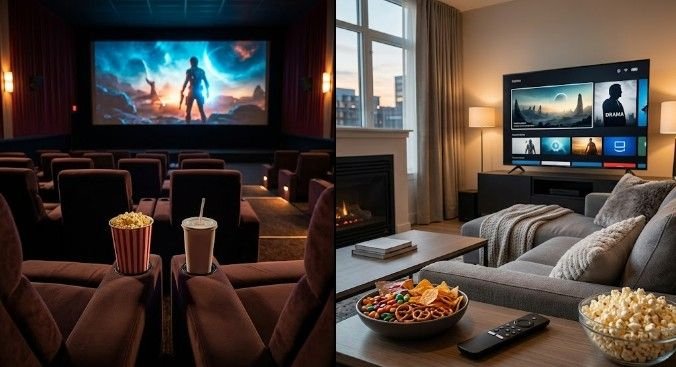
Start by considering the type of movie you plan to watch. Action blockbusters, horror films, and visually spectacular releases often benefit from the immersive theater environment.
Next, think about your budget and viewing frequency. Frequent movie watchers usually gain more value from streaming subscriptions, while occasional viewers may prefer investing in premium cinema experiences.
Finally, consider the occasion. Special premieres, family outings, and date nights often feel more memorable in theaters, while everyday entertainment is usually more convenient through streaming.
Which Movies Work Best Where?
Not every movie needs the same viewing environment.
Large-scale action films, superhero movies, science fiction adventures, and horror films often benefit most from theatrical viewing because their visuals and sound design play a major role in the experience.
Dramas, romantic comedies, documentaries, and casual entertainment frequently work just as well through streaming, where comfort and convenience become bigger priorities.
Many film buffs use a hybrid approach, reserving theaters for event-style releases while enjoying other genres at home.
Frequently Asked Questions
1. What is the 2.5 rule for movies?
The 2.5 rule generally suggests evaluating whether a movie is worth the time, effort, and money involved in seeing it theatrically. It helps viewers decide if the cinema experience adds enough value compared to waiting for streaming.
2. Are streaming services hurting movie theaters?
Streaming services have reduced some theater attendance by offering affordable home entertainment. However, theaters continue attracting audiences through blockbuster releases, premium formats, and the unique social experience that streaming cannot fully replace.
3. What is the downside to streaming TV?
Streaming offers convenience but can create subscription fatigue, decision overload, and dependence on internet quality. It also lacks the immersive scale, premium sound, and communal atmosphere that make theaters memorable.
4. What is the 20 minute rule for movies?
The 20 minute rule suggests giving a movie at least twenty minutes before deciding whether to stop watching. This allows enough time for the story, characters, and pacing to develop properly.
Popcorn, Couch, Or Both?
The movie theater vs streaming debate does not have a universal winner because both options serve different purposes. Movie theaters deliver breathtaking visuals, premium sound, and unforgettable audience energy, while streaming offers convenience, flexibility, and excellent value. The smartest approach is often combining both.
Enjoy blockbuster spectacles on the big screen and use streaming for everyday entertainment. That balance gives you the best movie experience possible while maximizing both enjoyment and value.