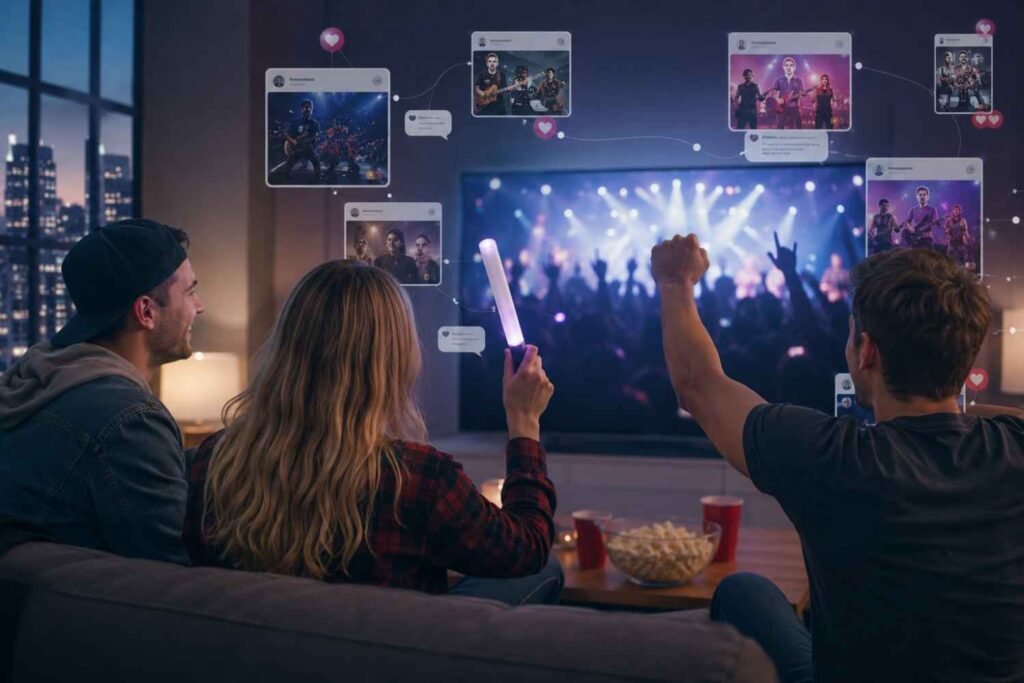
There was a time when watching a movie or TV show was mostly a personal experience. You watched an episode, talked about it with a few friends, and moved on. Today, that experience rarely ends when the credits roll. Within minutes, thousands of viewers are sharing reactions, posting theories, creating memes, and debating storylines across multiple platforms.
This shift has turned online fan communities into one of the most influential forces in entertainment. What starts as a discussion among passionate fans can quickly shape public perception, drive streaming numbers, and even influence future creative decisions. Entertainment is no longer just about what people watch. It is also about how they engage with it afterward.
Entertainment Has Become a Shared Experience
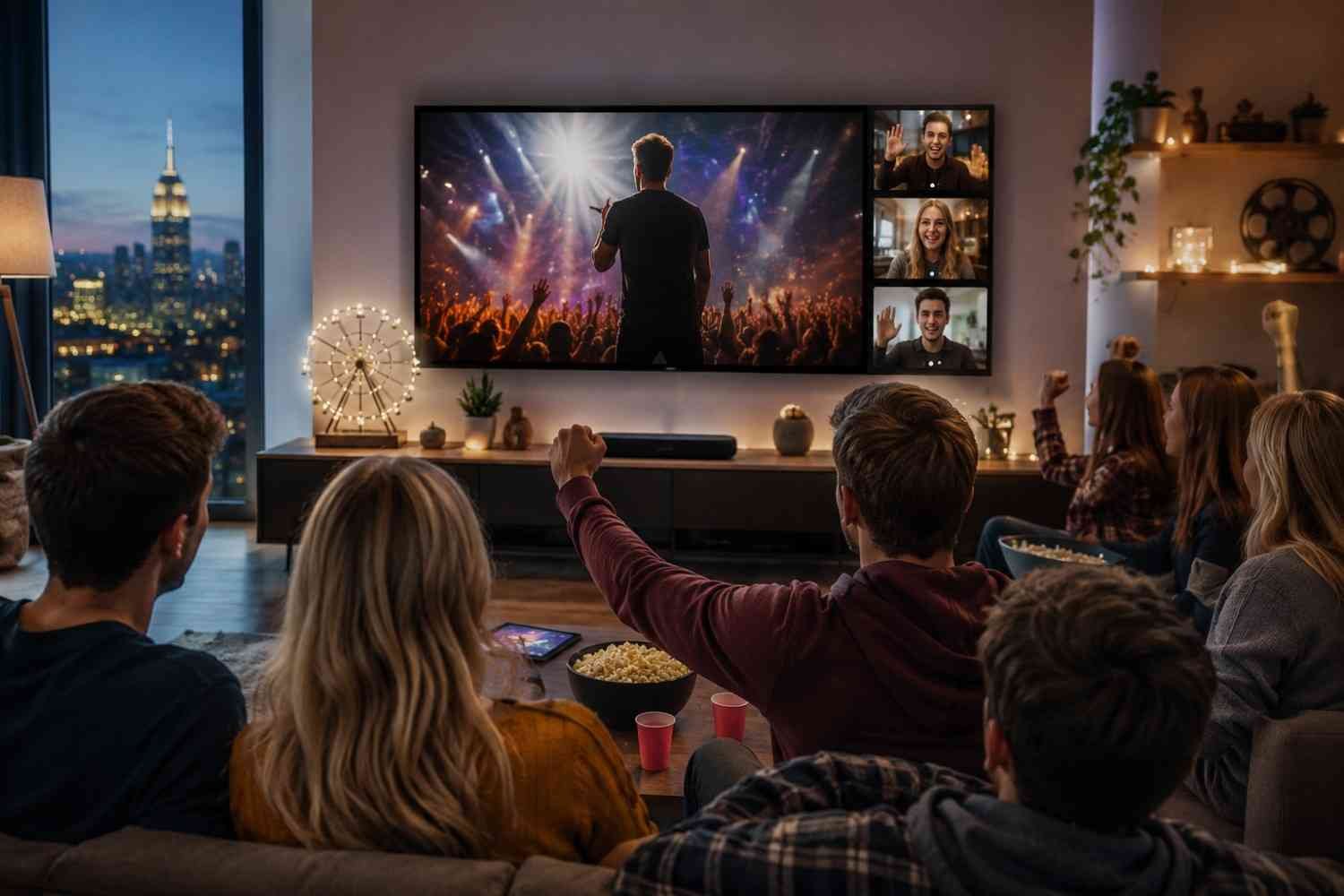
Modern entertainment thrives on participation. Viewers no longer sit on the sidelines waiting for the next release. They actively contribute to conversations that keep shows, movies, creators, and franchises relevant long after launch day.
A single episode can generate thousands of posts, reaction videos, podcasts, and discussion threads within hours. These conversations create a digital community where people feel connected through shared interests.
This evolution has changed fandom itself. Instead of simply following a favorite show or celebrity, people contribute ideas, interpretations, and content that expand the experience for everyone else.
Why People Keep Joining Online Fan Communities
The popularity of online fan communities goes beyond entertainment. At their core, they provide a sense of belonging.
People naturally seek spaces where others share their enthusiasm. Whether discussing a season finale, predicting future plot twists, or debating character decisions, these communities create opportunities for connection.
Fan theories are a perfect example. A theory posted by one viewer can spark conversations involving thousands of people. Even when the theory turns out to be wrong, the discussion itself becomes part of the entertainment experience.
For many fans, engaging with a community is just as enjoyable as consuming the content itself.
The Rise of the Fan Economy

Entertainment companies increasingly recognize the value of highly engaged audiences. Casual viewers matter, but devoted fans often become the driving force behind long-term success.
These audiences subscribe to streaming services, purchase merchandise, attend events, support creators, and generate word-of-mouth recommendations. Their emotional investment translates directly into economic value.
This has given rise to what many industry observers call the fan economy. Instead of focusing solely on attracting viewers, platforms now prioritize audience engagement and community interaction.
The goal is no longer just getting someone to watch a show. The goal is to encourage them to join the conversation afterward.
Social Media Now Drives Entertainment Trends
Not long ago, major networks and critics largely controlled entertainment conversations. Social media changed that dynamic completely.
Platforms like TikTok, Reddit, YouTube, and Instagram allow fans to determine which moments gain attention. A short clip, fan edit, or discussion thread can introduce content to millions of people who might never have discovered it otherwise.
This community-driven discovery process often influences digital algorithms as well. The more users discuss and share content, the more visibility it receives.
As a result, online fandom has become one of the most powerful forms of entertainment marketing. Many viewers now discover shows through community recommendations rather than traditional advertising campaigns.
When Fans Become Creators
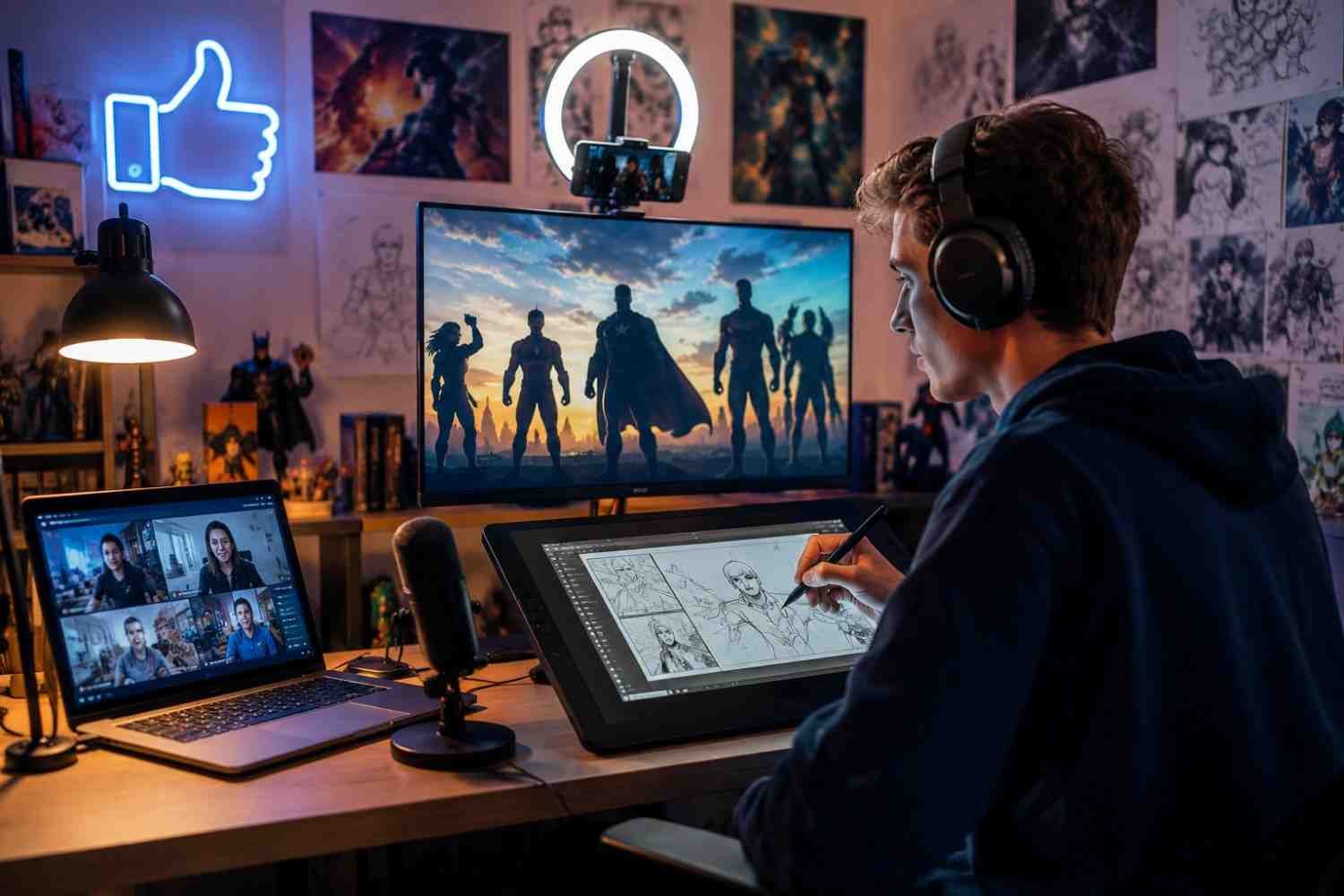
One of the most interesting aspects of modern fandom is how frequently fans create content of their own.
Fan art, video essays, memes, podcasts, online animations, and discussion channels have become important parts of digital fandom. These contributions help keep entertainment properties active between seasons and releases.
User-generated content also extends the lifespan of popular franchises. A show that ended years ago can continue attracting new audiences because fans keep discussing and creating around it.
This collaborative culture has transformed entertainment from a one-way relationship into an ongoing conversation.
The Streaming Connection
Streaming culture has accelerated the growth of entertainment communities. Entire seasons often become available at once, encouraging viewers to consume content rapidly and immediately discuss their reactions online.
At the same time, conversations around the cons of binge-watching have become more common. While binge viewing can create excitement and shared cultural moments, it can also shorten discussion cycles. Some shows dominate conversations for a week before attention shifts elsewhere.
Fan communities help solve this problem by extending engagement long after initial viewing. Through analysis, theories, and community events, they keep audiences invested far beyond release week.
Why Brands and Studios Are Paying Attention?
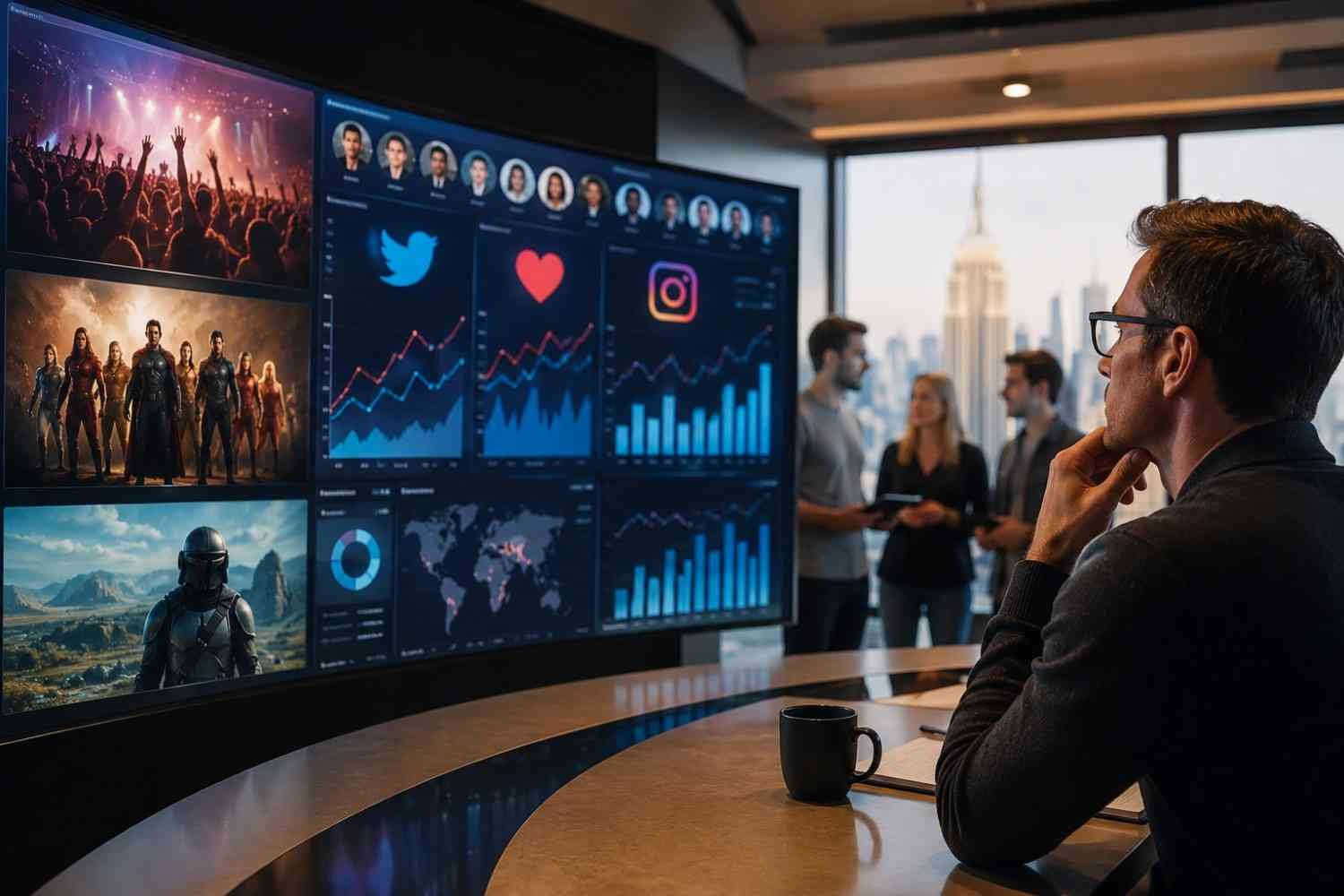
Entertainment companies increasingly participate directly in digital communities because they understand where audience attention lives.
Studios monitor discussions, track social sentiment, and study audience reactions to understand what resonates with viewers. Many also encourage user-generated content campaigns and creator partnerships to strengthen community engagement.
This approach provides valuable insights that traditional audience research often misses. Fans openly discuss what they love, what frustrates them, and what they hope to see next.
The result is a closer relationship between creators and audiences than ever before.
Why Passionate Communities Continue to Shape Entertainment
The growing role of online fan communities in entertainment trends reflects a broader shift in how people experience media. Entertainment is no longer confined to a screen. It lives inside conversations, social platforms, digital communities, and shared experiences that continue long after the original content is released. Fans have become participants, advocates, creators, and cultural influencers all at once.
As platforms evolve and audiences become even more connected, the communities surrounding entertainment may become just as important as the entertainment itself.
FAQs: The Growing Role of Online Fan Communities in Entertainment Trends
1. What are online fan communities?
Online fan communities are digital spaces where people discuss, share, and create content around shows, movies, celebrities, games, or creators they enjoy.
2. Why are online fan communities important?
They help audiences connect, share opinions, create content, and keep entertainment relevant long after its release.
3. How do fan communities influence entertainment trends?
Their discussions, recommendations, and social media activity can increase visibility, shape public interest, and drive content popularity.
4. Do streaming platforms benefit from fan communities?
Yes. Active communities increase audience engagement, encourage subscriptions, and create ongoing conversations that help content remain visible.