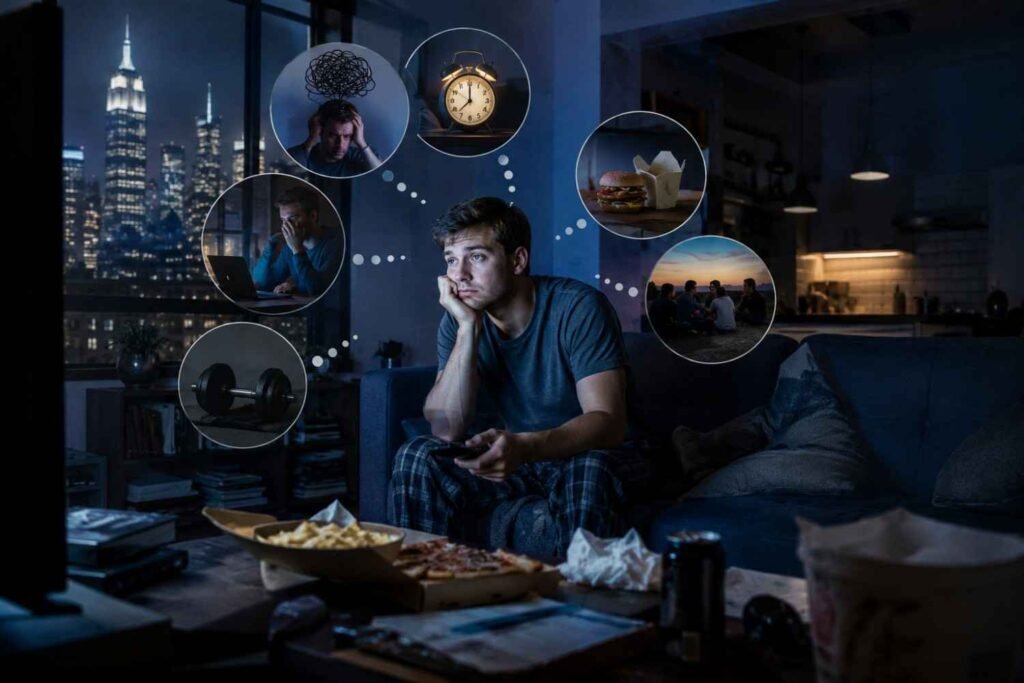
A few years ago, finishing an entire season of a television show in a weekend felt unusual. Today, it has become a normal part of entertainment. Streaming platforms make it incredibly easy to move from one episode to the next, often without even touching the remote. Before long, what started as a quick break can turn into several hours on the couch.
Most people associate binge-watching with relaxation, and there’s nothing wrong with enjoying a favorite show. The problem starts when occasional marathon viewing becomes a routine. The cons of binge watching often develop gradually, making them easy to overlook until they begin affecting sleep, productivity, and overall well-being.
When Entertainment Starts Working Against You
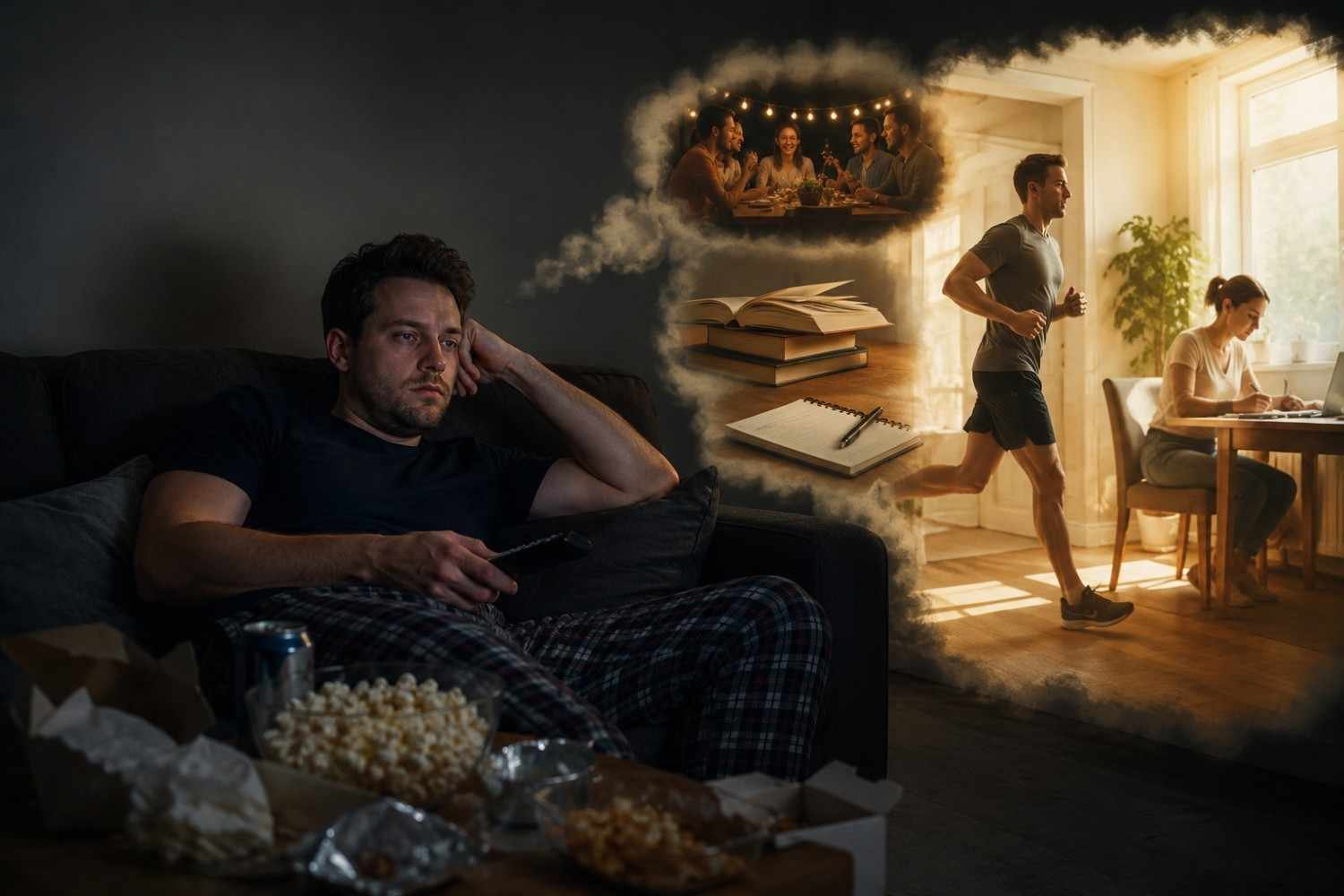
Streaming services are designed to keep viewers engaged. Personalized recommendations, autoplay features, and endless content libraries remove many of the natural stopping points that once existed with traditional television.
This convenience creates a powerful viewing environment. Each cliffhanger, plot twist, or emotional payoff activates the brain’s reward system. Dopamine, a neurotransmitter linked to pleasure and motivation, reinforces the desire to continue watching. Over time, this cycle can become part of daily routines without people fully realizing it.
The issue is not the occasional weekend binge. It is the repeated pattern of sacrificing sleep, movement, and personal time for extended viewing sessions.
The Sleep Problem That Builds Over Time
Many people start a new episode late at night with the intention of watching only one. Two or three episodes later, the clock tells a different story.
Researchers have found that screen exposure before bed can interfere with sleep quality. Blue light from devices affects the body’s natural sleep-wake cycle, while emotionally engaging content keeps the brain alert when it should be preparing for rest.
This combination often creates what experts call sleep debt. Missing an hour or two of sleep occasionally may not seem significant, but repeated sleep loss can lead to daytime fatigue, reduced focus, irritability, and lower productivity.
The next day often feels harder, even if the cause isn’t immediately obvious.
The Feeling of Lost Time
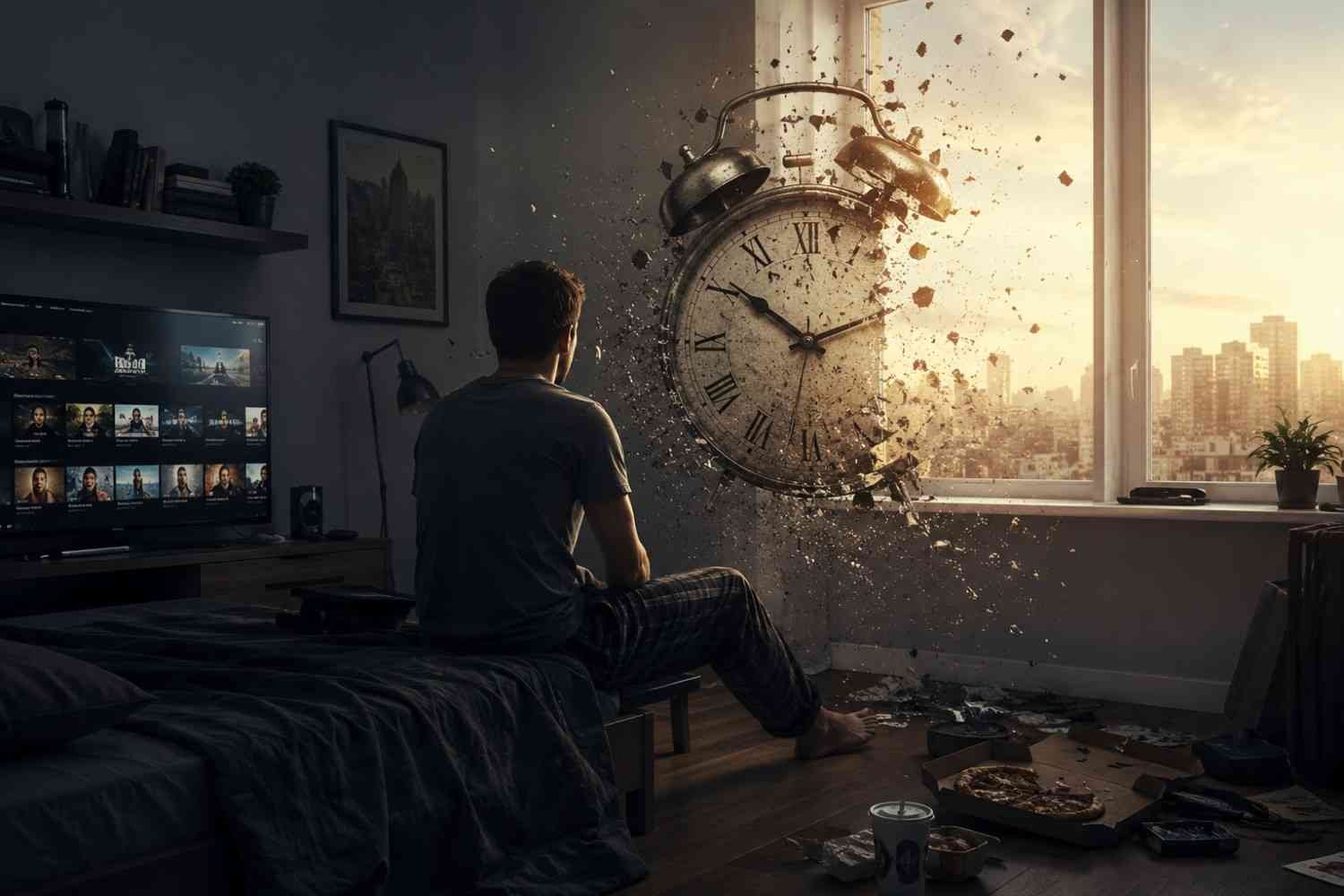
One of the less discussed binge-watching effects is the feeling many viewers experience after a marathon session ends.
A few hours of entertainment can quickly consume an entire afternoon or evening. Tasks get postponed, personal projects remain unfinished, and plans are delayed. While relaxation is important, excessive streaming sometimes leaves people with a sense that valuable time slipped away.
The brain’s reward system plays a role here as well. The constant stream of dopamine keeps viewers engaged in the moment, but once the viewing session ends, feelings of regret or guilt can emerge.
This pattern has become increasingly common as modern streaming culture blends seamlessly into everyday life.
Physical Health Concerns Beyond Screen Time
The cons of binge-watching extend beyond mental focus and sleep quality. Long periods of sitting create additional health concerns.
When people remain inactive for several hours, metabolism slows and calorie expenditure drops. At the same time, binge sessions often encourage mindless snacking. Chips, candy, and other highly processed foods frequently become part of the viewing experience.
This combination can contribute to:
- Weight gain
- Reduced physical activity
- Poor posture
- Increased cardiovascular health risks
- Higher levels of sedentary behavior
Health professionals have long emphasized the importance of breaking up prolonged sitting periods. Even short walks or stretching sessions can help counter some of the effects associated with extended screen time.
What Happens to Attention and Memory?
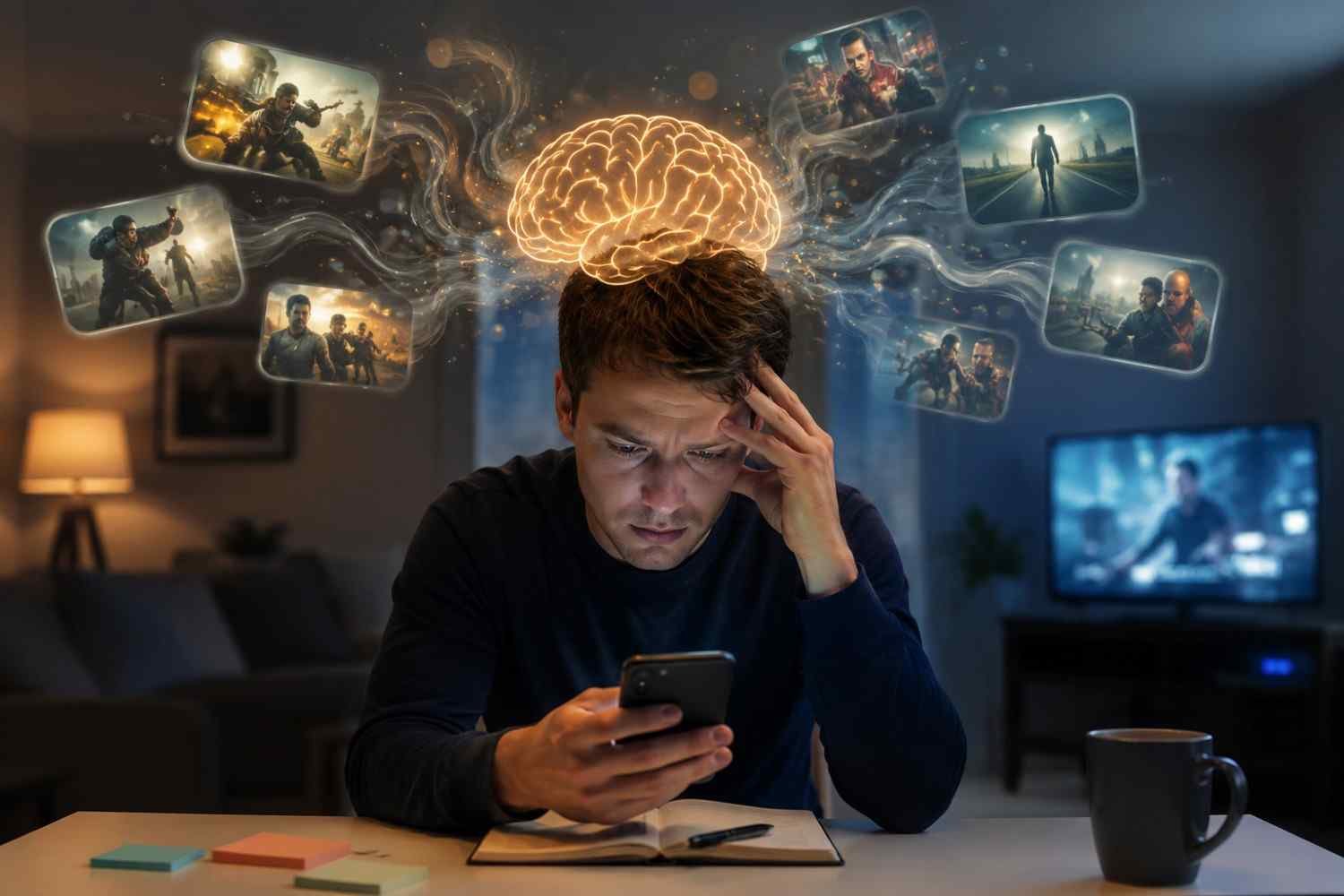
Many viewers assume that watching an entire season helps them absorb more of the story. Interestingly, the opposite can happen.
When episodes are consumed back-to-back, the brain has less opportunity to process and store information. Individual plot details often blur together, making it harder to recall specific moments weeks later.
Some psychologists argue that spacing out episodes can improve retention while also increasing anticipation and discussion. This was once a natural part of television viewing, but has become less common in an era dominated by instant access.
The shift reflects broader changes in digital entertainment habits, where convenience often takes priority over reflection and moderation.
The Connection Between Binge Watching and Mental Well-Being
Entertainment can provide comfort, stress relief, and a temporary escape from daily pressures. However, problems arise when viewing becomes the primary way someone copes with stress or boredom.
Several studies have linked problematic binge-watching behaviors with increased levels of anxiety and depressive symptoms. While streaming itself does not cause mental health conditions, excessive viewing can sometimes contribute to social withdrawal and reduced engagement with other meaningful activities.
Hobbies, exercise, outdoor experiences, and in-person interactions often provide benefits that hours of passive entertainment cannot fully replace.
Balance remains the key factor.
Small Changes That Make a Big Difference

Reducing excessive streaming does not require eliminating it altogether. A few simple adjustments can help maintain a healthier relationship with entertainment.
Setting an episode limit before starting a show can prevent accidental marathon sessions. Turning off screens an hour before bedtime supports better sleep quality. Taking a brief walk or stretch break every hour reduces the effects of prolonged sitting.
The popular 20-20-20 rule can also help reduce eye strain. Every 20 minutes, look at something roughly 20 feet away for at least 20 seconds.
These small habits often make viewing more enjoyable while reducing many of the negative effects associated with excessive streaming.
FAQs: The Hidden Cons of Binge Watching and Their Impact on Daily Life
1. Can binge-watching affect sleep quality?
Yes. Late-night viewing and screen exposure can delay sleep, reduce sleep quality, and leave people feeling tired the next day.
2. Is binge-watching bad for mental health?
Occasional binge-watching is usually harmless, but excessive viewing may contribute to stress, anxiety, or social withdrawal in some individuals.
3. Why does binge-watching feel addictive?
Streaming platforms encourage continuous viewing through autoplay features and engaging storylines that activate the brain’s reward system.
4. How can I reduce binge-watching without giving it up?
Set viewing limits, schedule breaks, avoid all-night sessions, and balance entertainment with exercise, hobbies, and social activities.
Why More Episodes Don’t Always Create Better Experiences
The appeal of binge-watching is easy to understand. It offers convenience, instant entertainment, and the satisfaction of consuming a story without waiting. Yet the same features that make streaming enjoyable can also create habits that affect sleep, productivity, physical health, and mental well-being when left unchecked.
The goal isn’t to stop watching your favorite shows. It’s to make sure they’re taking up your free time—not taking it over.