
If you have ever watched a TV episode and thought, “Why did the main cast suddenly disappear?” you may have spotted a backdoor pilot. So, what is a backdoor pilot episode? It is a regular episode of an existing show that introduces new characters, a new setting, or a new premise to test a possible spin-off.
I notice these episodes because they feel slightly off on purpose. The familiar show is still there, but the camera suddenly cares more about a guest character, a different workplace, or a new city.
What Is a Backdoor Pilot Episode?
A backdoor pilot is a built-in test episode. Instead of making a separate first episode for a new series, producers place the test inside a show that already has viewers.
A traditional pilot introduces a new show from scratch. A backdoor pilot borrows the parent show’s audience, tone, and time slot. If viewers respond well, the network may order the spin-off. If they do not, the episode still works as part of the original series.
The smartest backdoor pilots feel like a natural side quest. The clumsy ones feel like someone changed the channel without warning.
How a Backdoor Pilot Works in a TV Show

A backdoor pilot usually follows a clear pattern. Once I learned the pattern, I started spotting them within the first ten minutes.
The Parent Show Takes a Step Back
The biggest clue is a sudden focal shift. The regular lead characters become helpers, witnesses, or background players. A doctor, detective, teacher, or office worker from the original show may still appear, but the emotional center moves elsewhere.
This means the show is quietly asking, “Would you watch these new people every week?”
The Episode Builds a New World Fast
A backdoor pilot must introduce a setting quickly. It may move to a firehouse, boarding school, farm, law office, or another city. The episode needs to show the new world, explain character dynamics, and create future story potential.
That is a hard job. A regular episode can focus on one conflict. A backdoor pilot has to sell an entire series in one hour or less.
The Network Watches the Reaction
A parent show already has fans, marketing power, and a scheduled slot. A network can test a spin-off idea without gambling on a completely unknown property.
Ratings, critic reviews, social chatter, and executive confidence can shape the final decision. Sometimes the network greenlights the spin-off. Sometimes the concept disappears after one awkward episode.
Backdoor Pilot vs Traditional Pilot vs Spin-Off
A traditional pilot is the first sample episode of a new series. A spin-off is the full new series that grows from an existing show. A backdoor pilot sits between those two ideas.
That is why the answer to what is a backdoor pilot episode always comes down to intent. The episode is not just telling a story. It is pitching a future show.
If you enjoy TV structure, compare this idea with what is a bottle episode in tv. A bottle episode usually limits setting and cast to save money or intensify drama. A backdoor pilot expands the world to sell something new.
Famous Backdoor Pilot Episode Examples
Backdoor pilots can become long-running hits. They can also become infamous detours. The difference often comes down to integration.
Station 19 from Grey’s Anatomy

Image source: IMDb
Station 19 had a smooth path because Grey’s Anatomy already lived in a world of emergencies. The Grey’s Anatomy episode “You Really Got a Hold on Me” introduced firefighters while keeping the medical stakes connected to Grey Sloan.
Firefighters rescue people. Doctors treat them. The connection felt logical instead of forced.
The Facts of Life from Diff’rent Strokes
The Facts of Life is a classic successful example. The Diff’rent Strokes episode “The Girls’ School” moved Mrs. Garrett into a school setting and helped shape the concept that later became the spin-off.
A strong backdoor pilot does not only move a familiar character. It gives that character a new job, new relationships, and new reasons to keep telling stories.
The Farm from The Office
The Farm is the famous cautionary tale. The Office episode shifted attention to Dwight Schrute’s family farm and introduced relatives who could have led a separate show.
I understand why the idea existed. Dwight was popular, and Schrute Farms already had comic potential. Still, the episode felt disconnected from the Dunder Mifflin rhythm. NBC did not move forward with the spin-off, so the episode became a clear example of a backdoor pilot interrupting a final season.
The Flash and the Arrow Nuance
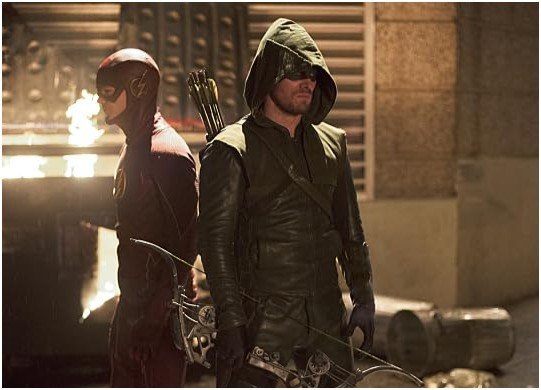
Image source: IMDb
Many viewers connect The Flash to Arrow, and for good reason. Barry Allen appeared in Arrow before getting his own series. However, the original plan changed. The CW chose a standalone pilot for The Flash instead of making a later Arrow episode carry the full pilot job.
That nuance matters. Barry’s Arrow appearances helped build interest, but The Flash still launched with its own traditional pilot.
The Lost Sister from Stranger Things
Fans often describe “The Lost Sister” from Stranger Things as a backdoor pilot because it pauses the Hawkins story and follows Eleven into a separate Chicago crew. Still, the creators have denied that it was meant to launch a spin-off.
Not every strange side episode is officially a backdoor pilot. Sometimes it only feels like one.
How to Spot a Backdoor Pilot While Watching
My personal “Backdoor Pilot Sniff Test” uses three questions. Does the episode suddenly prioritize new characters? Does it explain a new setting with unusual detail? Could those new characters continue without the parent show?
If the answer is yes to all three, you are probably watching a backdoor pilot or something very close to it.
The strongest clue is emotional ownership. If the episode asks you to care about a new lead’s personal problem, career goal, and supporting cast, it is doing more than filling time.
Why Some Backdoor Pilots Annoy Fans
Fans get annoyed when the episode breaks the promise of the show they tuned in to watch. A viewer who expects a workplace comedy may not want a family-farm sitcom. A viewer waiting for a monster plot may resent a sudden punk-gang detour.
The problem is not experimentation. The problem is timing and trust. A backdoor pilot works best when it rewards fans of the parent show while opening a new door. It fails when it treats the parent show like a billboard.
That is the real answer behind what is a backdoor pilot episode. It is not just a TV trick. It is a negotiation with the audience.
The Sneaky Spin-Off Exit
A backdoor pilot is television’s sneakiest audition. When it works, it feels like the world got bigger. When it fails, it feels like your favorite show wandered into the wrong building and pretended everything was fine.
My tip is simple: watch where the episode places its emotional spotlight. If the usual stars step aside and a new cast starts carrying the drama, the show may be testing its next big move.
FAQs
1. What is the meaning of a backdoor pilot in TV?
A backdoor pilot is an episode of an existing show created to test a possible spin-off series.
2. Is a backdoor pilot the same as a spin-off?
No. A backdoor pilot is the test episode, while a spin-off is the full series that may come after it.
3. Why do networks make backdoor pilot episodes?
Networks use them to test characters, settings, and audience interest with less risk than a separate pilot.
4. What is a backdoor pilot episode example?
Station 19 from Grey’s Anatomy and The Facts of Life from Diff’rent Strokes are strong examples.