Book lovers often insist that the original version is always superior. Yet after years of reading novels and watching their screen adaptations, it becomes clear that some movies better than the book genuinely deserve the praise. Through stronger pacing, memorable performances, and powerful visual storytelling, certain films transform good source material into unforgettable cinematic experiences that resonate with audiences long after the credits roll.
Key Takeaways
- Some adaptations improve weak plots and unnecessary subplots.
- Visual storytelling can create stronger emotional impact than prose.
- Great actors often elevate characters beyond the written page.
- Several classic films are preferred by both critics and audiences.
- Movies better than the book prove adaptation is a creative art form.
What Makes A Movie Better Than Its Book?
Understanding why certain adaptations succeed helps explain why audiences sometimes prefer the film version.
Smarter Story Structure
Books often contain lengthy descriptions, side stories, or extra characters that slow down the narrative. Filmmakers have limited screen time, so they must focus on the strongest parts of the story.
By trimming distractions and highlighting key moments, a film can feel more engaging and emotionally satisfying. This focused storytelling often creates a stronger overall experience.
Stronger Character Development
A talented actor can bring a character to life in ways that surprise even devoted readers. Facial expressions, voice delivery, and screen presence add layers that words alone cannot always capture.
When combined with thoughtful screenplay changes, these performances can make characters more relatable and memorable than their literary versions.
The Power Of Visual Storytelling
Movies have access to tools that books simply do not. Music, cinematography, editing, and visual effects can intensify emotions within seconds.
This cinematic advantage often helps adaptations create unforgettable moments that remain culturally significant for decades.
Movies Better Than The Book: The Definitive Picks
These films are frequently cited by critics, readers, and moviegoers as examples of adaptations that improved upon their source material.
1. Forrest Gump
The novel version of Forrest Gump takes readers through bizarre adventures involving space travel, wrestling, and other unusual detours. While creative, these episodes distract from the heart of the story.
The film wisely removes these tangents and focuses on Forrest’s emotional journey. Tom Hanks’ performance transforms him into one of cinema’s most lovable characters, creating a story that feels timeless and deeply moving.
2. The Devil Wears Prada
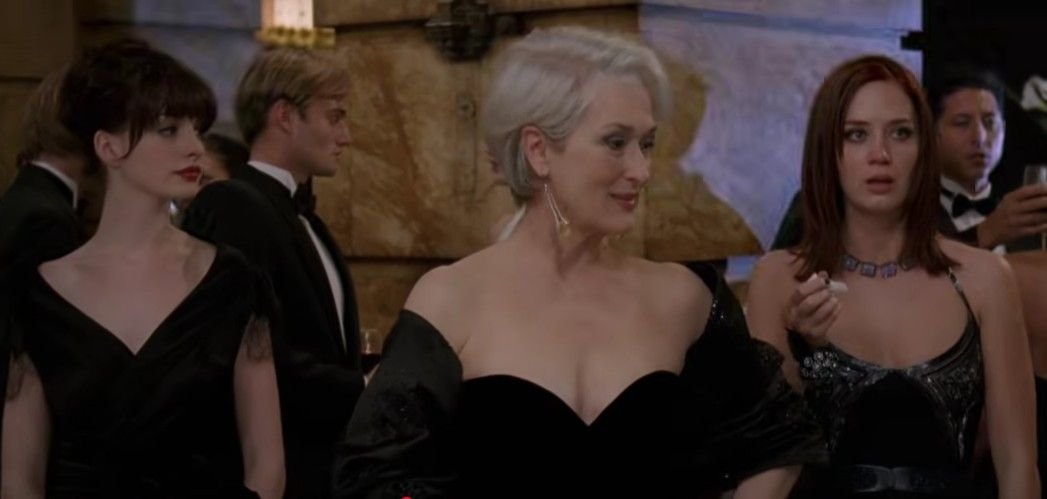
The original novel introduced readers to the demanding world of fashion publishing, but the movie sharpened the narrative and strengthened character relationships.
Meryl Streep’s portrayal of Miranda Priestly added complexity and authority that elevated the story. The film also provides a clearer emotional arc, making the protagonist’s personal growth more compelling.
3. The Princess Bride
The book contains an elaborate framing device involving fictional editing and commentary that many readers find distracting. While clever, it occasionally interrupts the story’s momentum.
The movie removes these interruptions and focuses entirely on the romance, adventure, humor, and action. The result is a cleaner and more universally beloved storytelling experience.
4. Jurassic Park
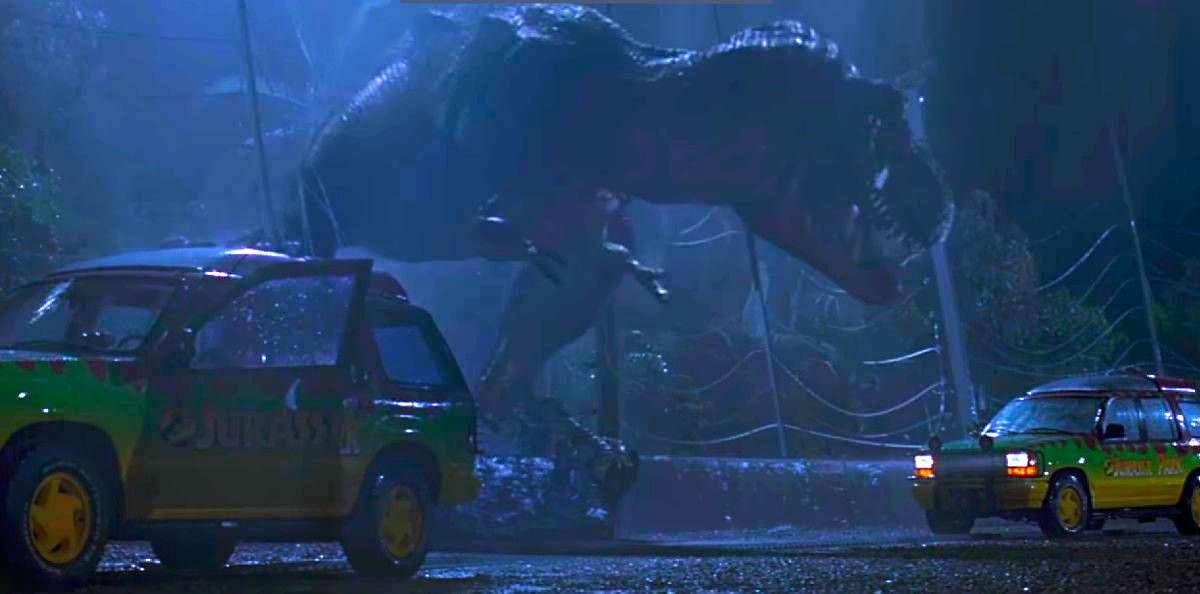
Michael Crichton’s novel is an excellent science fiction thriller, but it spends significant time explaining technical details and scientific theories.
Steven Spielberg’s adaptation streamlines the story while preserving its tension. Combined with groundbreaking visual effects and unforgettable dinosaur sequences, the movie became a landmark achievement in filmmaking.
5. No Country For Old Men
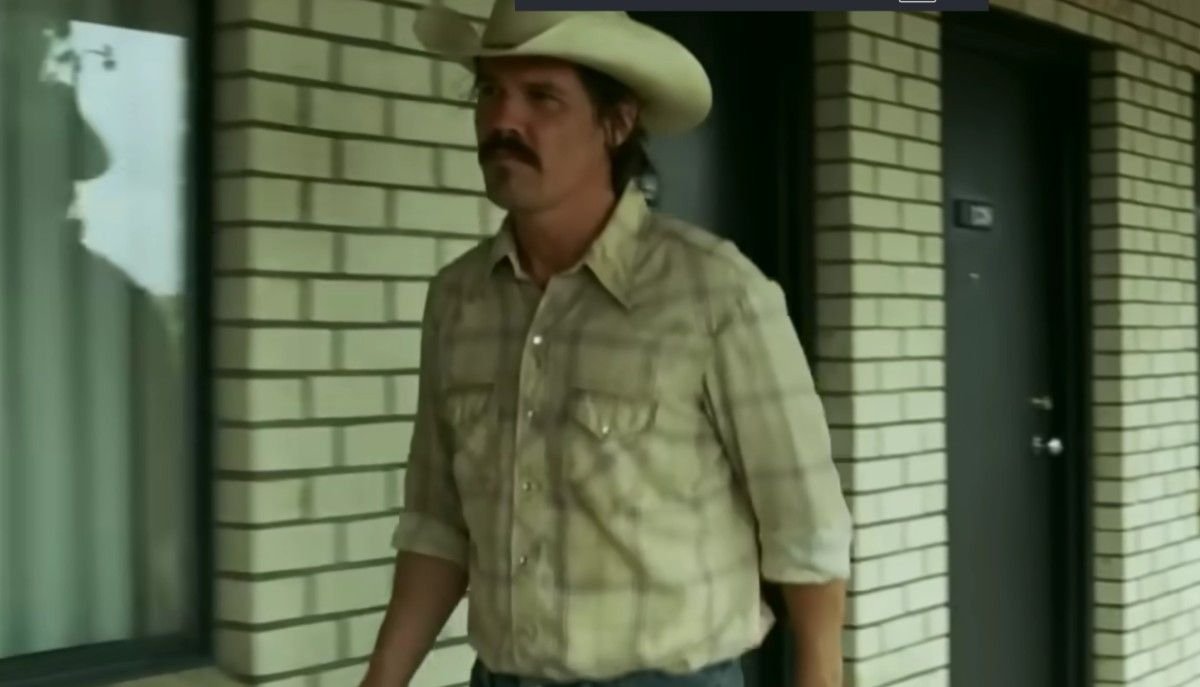
The novel delivers a gripping and thought-provoking crime story, but the film adaptation reaches another level through its atmosphere and performances.
Javier Bardem’s portrayal of Anton Chigurh creates a chilling presence that few literary villains can match. His performance alone demonstrates how cinema can enhance an already exceptional story.
Why Critics And Audiences Agree
The rarest achievement for any adaptation is winning over both professional reviewers and everyday viewers.
Emotional Connection Matters
People remember stories that make them feel something. Successful adaptations often strengthen emotional moments through music, acting, and visual storytelling.
This emotional connection frequently becomes the deciding factor when audiences compare a film to its source material.
Strong Performances Change Everything
A single performance can completely reshape how a character is perceived. Actors often add humanity, vulnerability, and nuance that enhance the original material. Many adaptations earn their reputation because of performances that become inseparable from the story itself.
Better Pacing Keeps Viewers Engaged
Films must maintain momentum from beginning to end. Adaptations that remove unnecessary scenes often feel tighter and more rewarding than the books that inspired them. This streamlined structure helps audiences stay invested throughout the story.
How To Find Movies Better Than The Book
If you want to discover more examples of movies better than the book, start by looking at both critic reviews and audience ratings. Consistent praise from multiple groups usually signals an adaptation worth exploring.
Next, compare discussions about the book and the film. Pay attention to comments about pacing, character development, and emotional impact. These areas often reveal why one version is preferred over another. Certain movies are made for educational purposes as well.
Finally, watch adaptations with an open mind. A movie does not need to copy every page of a novel to succeed. Sometimes thoughtful changes create a stronger and more entertaining story.
The Lasting Impact Of Great Adaptations
The best adaptations do more than recreate a book. They introduce stories to new audiences while adding their own artistic value.
Many viewers discover novels after watching a film adaptation of a book. Others revisit movies repeatedly because the cinematic experience offers something unique that cannot be replicated on the page.
This ability to stand alongside, or occasionally surpass, the original work is what makes great adaptations so fascinating.
Frequently Asked Questions
1. Is there a movie version of the book Better Than the Movies?
At present, there is no released film adaptation of Better Than the Movies by Lynn Painter. However, interest in adapting the popular young adult romance remains high among readers and fans.
2. Why is the movie better than the book?
A movie can improve pacing, remove unnecessary subplots, strengthen character arcs, and use performances, music, and visuals to create a deeper emotional connection with audiences.
3. Which books are in the Better Than the Movies series?
The series currently includes Better Than the Movies and Nothing Like the Movies, both written by bestselling author Lynn Painter and loved by contemporary romance readers.
4. What are some books that are like Better Than the Movies?
Readers who enjoyed the novel often recommend Tweet Cute, Today Tonight Tomorrow, The Upside of Falling, and The Do-Over because of their romantic and feel-good storytelling.
Lights, Camera, Better Stories
The idea that books always outperform films is a myth that does not hold true in every case. Some movies better than the book succeed because they sharpen storytelling, improve character development, and deliver unforgettable cinematic moments. From Forrest Gump and Jurassic Park to The Devil Wears Prada and No Country for Old Men, these adaptations prove that great stories can sometimes shine even brighter on screen than they do on the page.