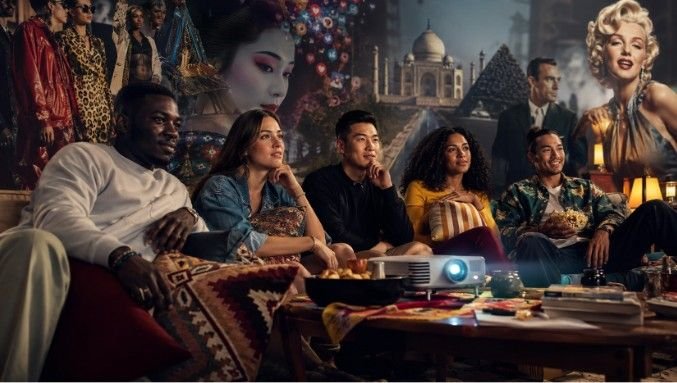
Movie conversations rarely end when the credits roll. A memorable scene, a powerful character, or even a catchy phrase often stays in people’s minds for years. That lasting effect explains how movies influence culture in ways that go far beyond entertainment. From shaping public opinion to inspiring fashion trends, films quietly influence how people think, communicate, and interact with the world around them.
Cinema has become one of the most influential storytelling mediums in history. Whether watched in theaters, streamed online, or shared through social media clips, movies affect cultural values, consumer behavior, and social discussions on a global scale. Understanding this influence helps us become smarter viewers and more informed participants in modern culture.
Key Takeaways
- Movies influence beliefs, behaviors, and social attitudes.
- Films shape fashion, language, and pop culture trends.
- Representation in cinema affects identity and inclusion.
- Social media amplifies movie-driven cultural conversations.
- Streaming platforms accelerate global cultural exchange.
This Topic Deserves The Spotlight
Understanding how movies influence culture is surprisingly useful in everyday life. Films affect what people wear, how they speak, what causes they support, and even how they view different communities. Recognizing these influences helps audiences enjoy movies while becoming more aware of the messages shaping modern society.
Movies are not just reflections of culture. They are active participants in creating it. That is what makes their impact so fascinating.
Movies As Mirrors Of Society
Films often reveal what society is thinking and feeling at a specific moment in time.
Movie stories frequently explore current social issues, economic concerns, political tensions, and cultural shifts. Filmmakers draw inspiration from real-life experiences, making cinema a valuable record of public attitudes and collective concerns.
Because films capture the mood of an era, they help future generations understand how people lived, what they valued, and which challenges defined their communities. This connection between fantasy and reality makes movies important cultural documents.
Capturing Public Emotions
Audiences connect most deeply with stories that feel relevant. Whether addressing social justice, family dynamics, digital entertainment habits or economic struggles, films often reflect emotions already present within society. This emotional connection strengthens their cultural relevance and influence.
Recording Cultural Moments
Many iconic films become time capsules. They preserve fashion styles, language patterns, social expectations, and historical events, allowing viewers to revisit specific periods through storytelling.
Shaping Beliefs And Building Empathy
One of the most powerful ways movies influence culture is by helping audiences see life from different perspectives.
Research in media psychology suggests that storytelling can increase empathy by encouraging viewers to emotionally connect with characters facing unfamiliar situations. These emotional experiences often leave lasting impressions.
Films featuring diverse characters and social challenges can reduce prejudice, encourage understanding, and promote more inclusive attitudes. By presenting human experiences in relatable ways, movies help bridge cultural and social divides.
Humanizing Complex Issues
Movies simplify difficult topics through personal stories. Instead of presenting abstract concepts, films introduce audiences to individuals whose experiences make broader issues easier to understand and remember.
Expanding Cultural Awareness
Exposure to different traditions, lifestyles, and viewpoints encourages open-minded thinking. As viewers encounter stories from various backgrounds, they gain greater appreciation for cultural diversity and shared human experiences.
Cinema And Social Change
Movies do more than raise awareness. They can inspire action. Throughout history, influential films and documentaries have encouraged public discussions, changed perceptions, and contributed to social reform. Powerful storytelling often motivates audiences to learn more about important issues.
Several well-known films have influenced conversations surrounding environmental protection, civil rights, public health, and social equality. Their impact demonstrates the connection between entertainment and meaningful societal change.
Influencing Public Conversations
Movies frequently spark debates both online and offline. Viewers discuss themes, characters, and social messages, helping important topics reach wider audiences and gain greater visibility.
Inspiring Real-World Action
Some films encourage audiences to support causes, volunteer, or advocate for change. When stories resonate emotionally, they can transform awareness into meaningful action.
Pop Culture Starts On Screen
Few industries shape popular culture as consistently as cinema. Movies influence trends that quickly spread across entertainment, social media, advertising, and consumer behavior. What begins on screen often becomes part of daily life.
From hairstyles to home decor, cinematic influence appears in countless aspects of modern culture. Successful films frequently create trends that last long after their theatrical release.
Fashion Follows Film
Movie characters regularly become style inspirations. Clothing, accessories, and beauty trends featured in popular films often appear in retail collections and social media content shortly afterward.
Famous Quotes Become Everyday Speech
Many movie lines enter everyday language. Catchphrases and memorable dialogue become cultural references that strengthen shared experiences among audiences.
Entertainment Trends Spread Fast
Movie soundtracks, dances, and visual aesthetics often inspire broader entertainment trends. These influences contribute to the continuous evolution of popular culture.
How Movies Influence Culture Through Representation
Representation remains one of cinema’s most important cultural responsibilities. Audiences want stories that reflect the diversity of real life. Seeing authentic characters on screen helps individuals feel recognized, valued, and understood.
At the same time, representation introduces viewers to experiences beyond their own, fostering empathy and cultural understanding. This dual impact makes inclusive storytelling especially influential.
Creating Stronger Connections
People often relate deeply to characters who share similar experiences. Meaningful representation strengthens audience engagement and builds emotional connections with stories.
Challenging Outdated Stereotypes
Modern films increasingly move beyond simplistic portrayals. By presenting complex and realistic characters, cinema contributes to more accurate cultural narratives.
History, Politics, And Public Perception
Many people’s understanding of history comes partly from movies. Historical dramas, war films, and political stories shape public perceptions of events, leaders, and institutions. While these portrayals can educate audiences, they may also simplify complicated realities.
Because films reach large audiences, their interpretations often become influential sources of information. This makes accuracy and responsible storytelling especially important.
Bringing History To Life
Movies make historical events more accessible. Visual storytelling helps audiences engage with moments that might otherwise feel distant or difficult to understand.
Influencing Political Attitudes
Political themes in cinema can affect public discussions. Films often introduce viewers to new perspectives, encouraging critical thinking about current events and social issues.
Streaming And Global Cultural Exchange
Technology has transformed the cultural reach of movies. Streaming services have made international cinema more accessible than ever before. Audiences can now explore stories from different countries without leaving home.
This accessibility encourages cultural exchange and introduces viewers to new traditions, languages, and viewpoints. As a result, global cinema now plays a larger role in shaping cultural understanding.

Breaking Geographic Barriers
Streaming platforms connect audiences worldwide. People can discover films from diverse regions, expanding their exposure to different cultures and storytelling traditions.
Building Worldwide Communities
Fans gather online to discuss movies regardless of location. These digital communities strengthen cultural connections and encourage global conversations.
How Movies Influence Culture In Daily Life
Recognizing how movies influence culture can improve media awareness and critical thinking. Start by paying attention to recurring themes in films and consider how they relate to real-world issues.
Notice how characters, lifestyles, and social groups are portrayed. Compare movie messages with factual information and discuss different interpretations with others.
Exploring films from various cultures can also broaden perspectives and strengthen cultural understanding while making entertainment more meaningful.
Frequently Asked Questions
1. Is There A 0% Rotten Tomato?
Yes. A movie can receive a 0% Rotten Tomatoes score when every published critic review included in the rating system is classified as negative, resulting in no positive critical reviews.
2. What Is The Biggest Box Office Flop Ever?
Several films are considered major box office failures, but productions like John Carter are frequently cited because their enormous budgets significantly exceeded worldwide revenue returns.
3. How Have Movies Played An Important Cultural Role?
Movies preserve cultural stories, shape public conversations, influence social values, promote empathy, and help audiences understand different communities through engaging visual storytelling experiences.
4. What Impact Did Movies Have On Common Culture?
The impact of how movies influence culture can be seen in language, fashion, social behavior, entertainment trends, and public attitudes that often originate from popular films.
Lights, Camera, Cultural Impact!
The influence of cinema extends far beyond theaters and streaming platforms. Understanding how movies influence culture reveals how storytelling shapes beliefs, inspires empathy, drives trends, and influences public conversations.
Films reflect society while simultaneously helping create it. As technology expands global access to entertainment, the cultural power of movies will continue growing, making media awareness more important than ever for modern audiences.